Analyzing an IPO in India means more than just glancing at the hype or the price band. Whether you’re looking for listing gains or long-term investment, a systematic IPO analysis increases your chances of a profitable, informed decision.
Here’s a practical step-by-step IPO analysis guide with all key factors, fundamental ratios, and important documents covered, fitting into the broader IPO cycle and stages of the IPO process.

How to Analyse an IPO
By check all the below steps, you may have a complete idea about how to analyze ipo prospectus India, and the importance of DRHP and RHP in ipo analysis.
1. Read the DRHP and IPO Prospectus Thoroughly
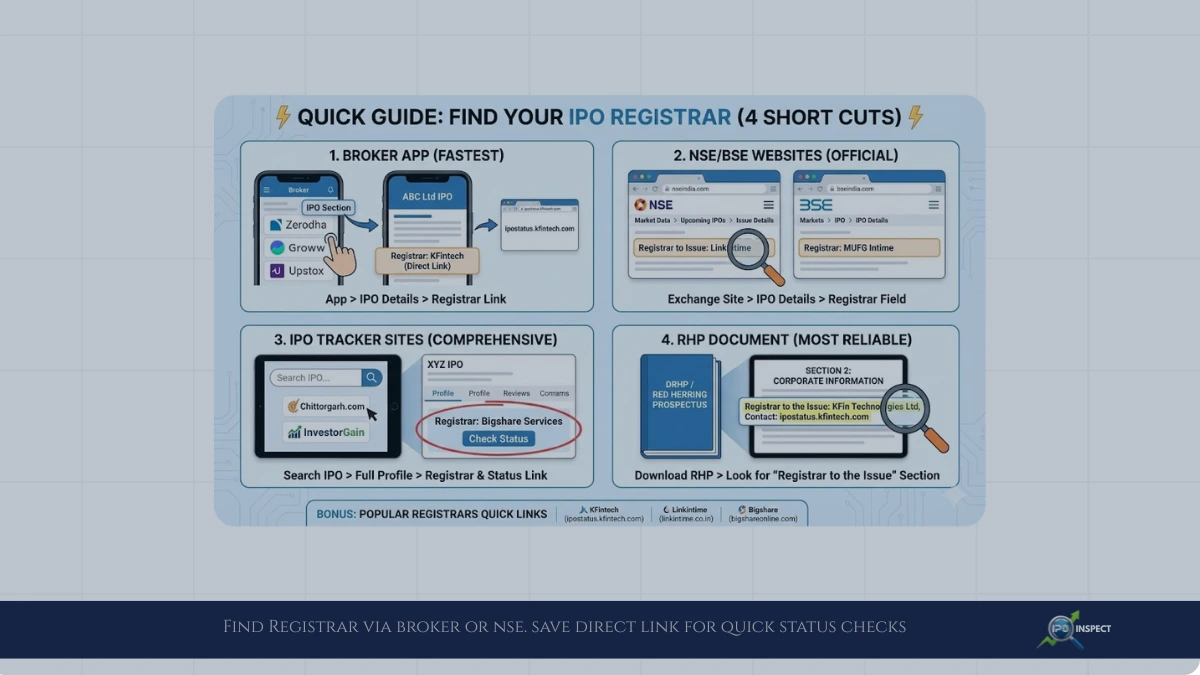
The Draft Red Herring Prospectus (DRHP) and the final prospectus (RHP) are the primary documents for IPO analysis, and understanding what DRHP is in an IPO helps you read these filings with the right perspective.
These contain details about the company’s business model, sector outlook, use of IPO proceeds, risk factors, management team, shareholding pattern, and financial summaries.
2. Check Financial Metrics and Key Ratios
- Revenue and Profit Trends: Look for consistent growth (ideally, growing profits over the last 3 years).
- EBITDA & Margins: Strong core operating earnings and stable margins are a good sign.
- Debt to Equity Ratio: Lower is generally safer; check if interest expense is manageable.
- ROE and ROCE: High return on equity and capital employed means good capital use.
- P/E Ratio: Compare IPO P/E ratio with peers to spot overvaluation or undervaluation.
- EPS and Book Value: Verify earnings per share and compare book value to issue price.
These are the key ratios and fundamentals for ipo analysis, important metrics for ipo analysis.
3. Evaluate Company Fundamentals and Industry Position
Study the company’s market share, growth strategy, competitive advantages (moat), customer base, product pipeline, and geographic reach.
Consider sector growth trends and whether the company is an industry leader or a follower.
With this, you may know, how to analyze company fundamentals for IPO, industry research for ipo analysis
4. Management and Promoter Quality
Review the background and track record of the promoters and top management. Promoter skin in the game of IPO, past success, and ethical business practices matter is one of the management quality in ipo analysis.
5. Understand IPO Valuation
Assess whether the price band is justified vs peer companies. Is the IPO raising new funds for growth, or are existing investors exiting at a premium?
Large OFS (Offer for Sale) may signal promoters booking profits over company expansion.
Think about how to judge ipo valuation, ipo price band analysis, OFS vs fresh issue in ipo, then you will get the good result.
6. Industry Trends, Peer Comparison, and Market Timing
Analyze IPO sector trends, peer comparison for IPO to check whether the IPO is in a hot sector (tech, FMCG, finance) or a saturated one, how competitors are valued in secondary markets, and if the overall market mood is bullish or bearish.
This must be done as a madatory IPO analysis with best performing IPOs checklist for beginners too.
7. Subscription Details, GMP, and Anchor Investors
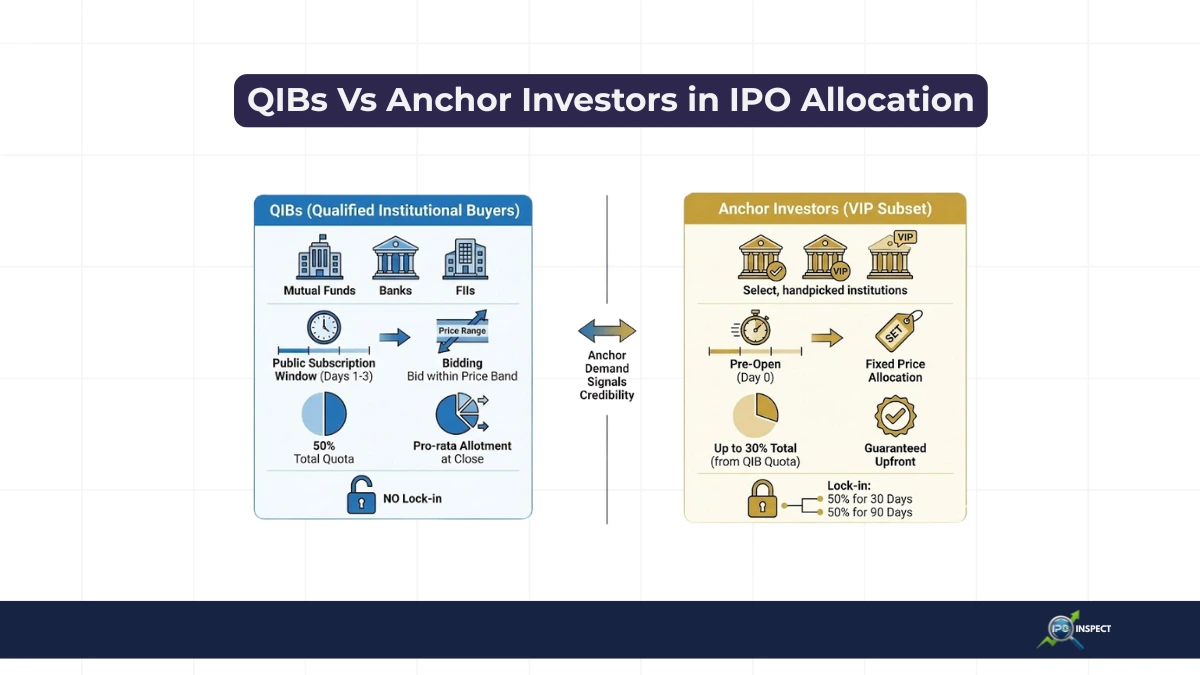
- Subscription Data: Strong QIB/HNI bids indicate institutional confidence, so tracking IPO subscription levels and demand signatures is a key part of serious IPO analysis.
- GMP (Grey Market Premium): Useful for retail sentiment, not a guarantee, and may read along with live IPO grey market premium today data and how GMP reflects overall market sentiment.
- Anchor Investors: Participation by marquee names suggests credibility.
The other major factor is IPO analysis using gmp and subscription data, anchor investors significance in ipo.
8. Risk Factors and Litigation
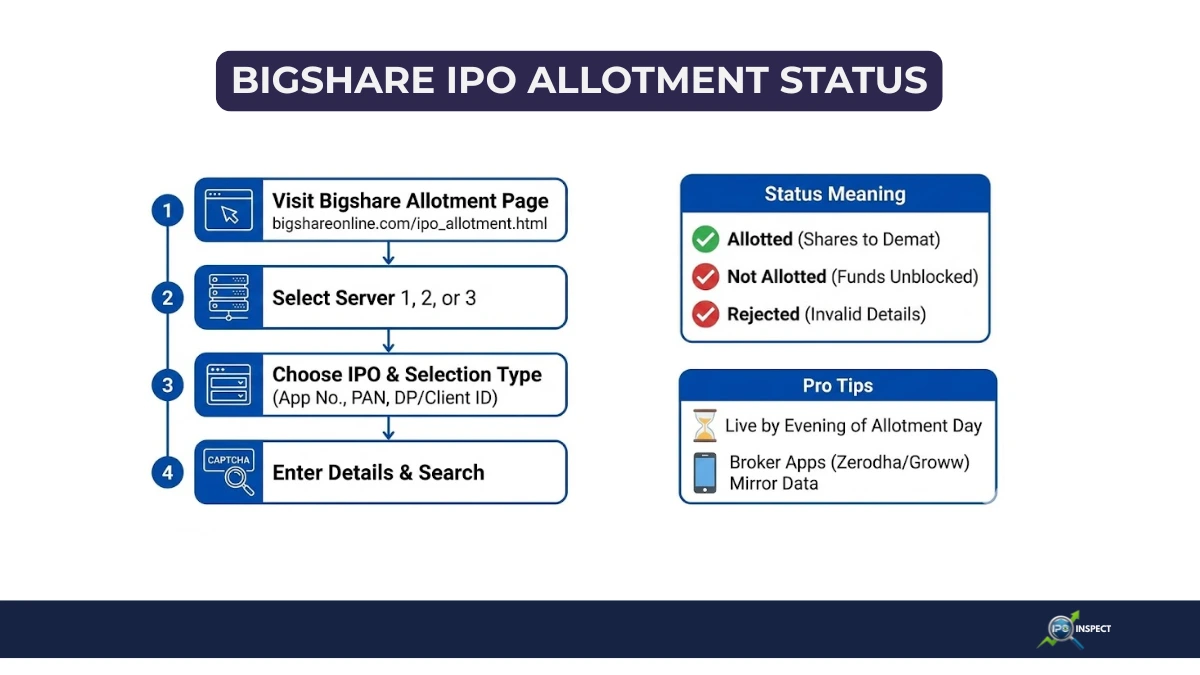
Closely read risk sections about regulatory, sectoral, and company-specific issues, because factors like heavy oversubscription or technical errors can mean you don’t receive any shares understanding why investors don’t get IPO allotment and how allotment is calculated when IPO is oversubscribed will help you judge these risks better.
Conclusion: A thorough IPO analysis covers Document review (DRHP, RHP), financial health, valuation, management, industry position, and risk assessment not just the hype or informal premium numbers. By following a systematic IPO analysis checklist, investors can confidently invest in new issues and avoid the pitfalls of emotional decision-making.