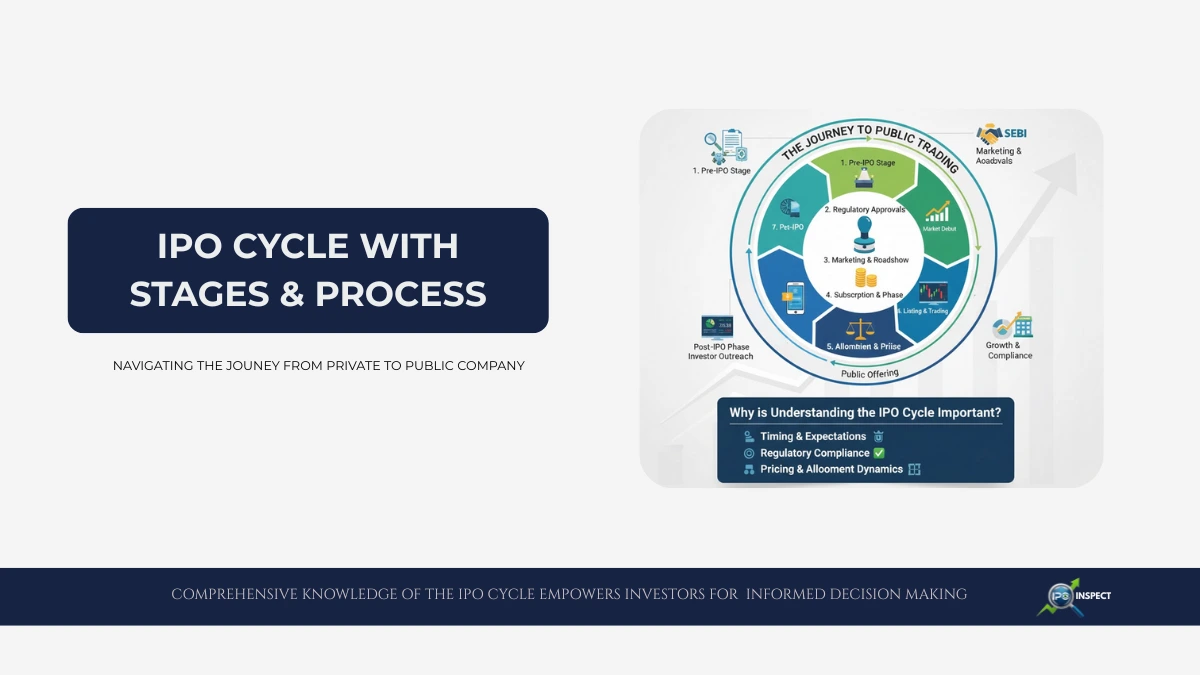
The IPO cycle refers to the complete journey a private company undertakes to become a publicly traded entity on a stock exchange.
This cycle encompasses multiple carefully regulated stages, from initial decision-making and regulatory approvals, through subscription by investors, to the final listing and post-market phase.
Understanding the IPO cycle offers investors insight into how companies go public, regulatory compliance, and timing considerations.
What is Meant by IPO Cycle?
- The cycle of Initial Public Offering is the structured process a company undergoes from deciding to raise funds publicly to the shares becoming available for trading.
- It includes preparation, filing, marketing, subscription, allotment, listing, and post-listing phases.
- This cycle is governed by stringent rules set by regulatory bodies like SEBI in India to ensure transparency and investor protection.
Stages of the IPO Cycle
1. Pre-IPO Stage
- Company performs internal assessments of financial health, market readiness, and growth prospects.
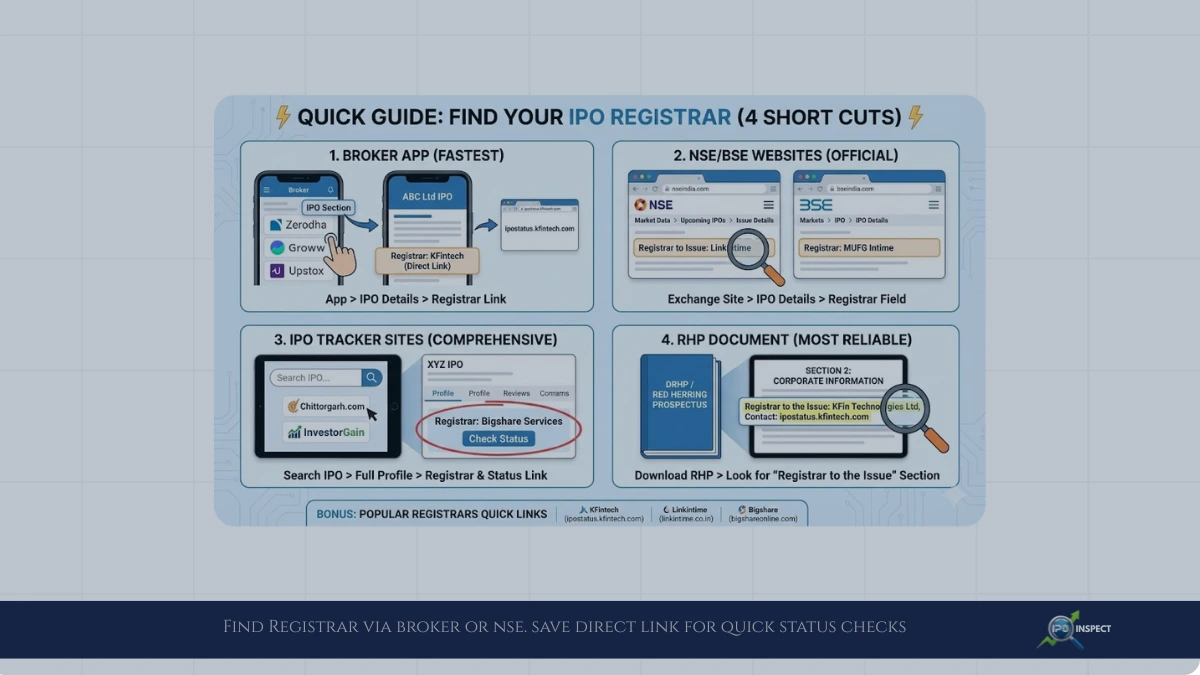
- Appointment of middlemen like underwriters, registrars, and legal advisors occur.
- Drafting the Draft Red Herring Prospectus (DRHP), which details company business, risks, and IPO plans.
2. Regulatory Approvals
- Filing DRHP with SEBI and stock exchanges (NSE/BSE).
- SEBI review, observations, and approval with possible revisions requested.
- In-principle clearance for IPO launch granted after compliance.
3. Marketing and Roadshow
- The company and underwriters conduct roadshows and investor presentations to generate interest.
- Price band for IPO is also announced before subscription, influenced in part by current IPO grey market premium trends and market sentiment.
4. Subscription Phase
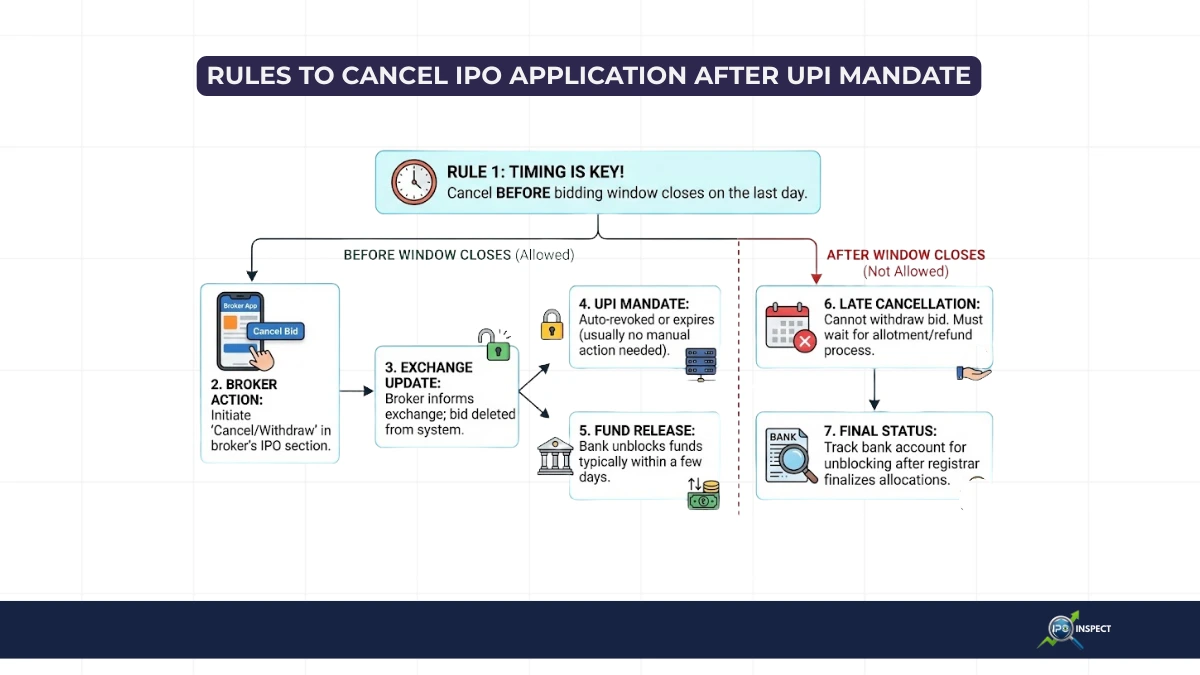
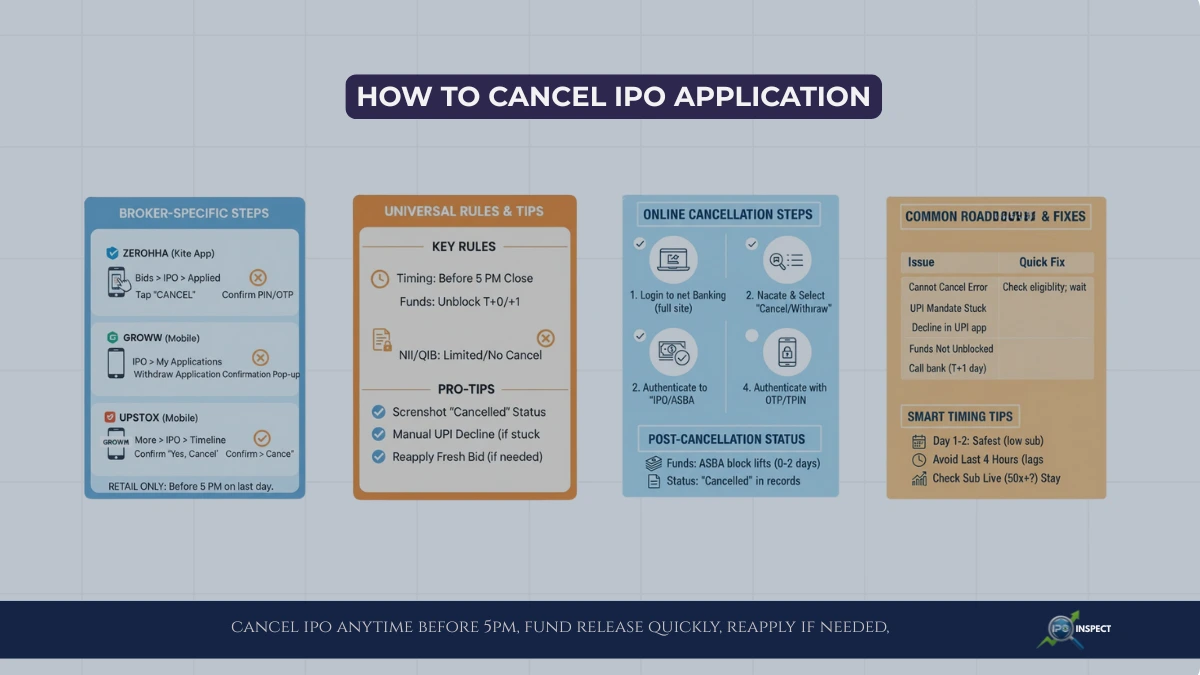
- Public subscription period (usually 3-5 days), where investors apply online or offline.
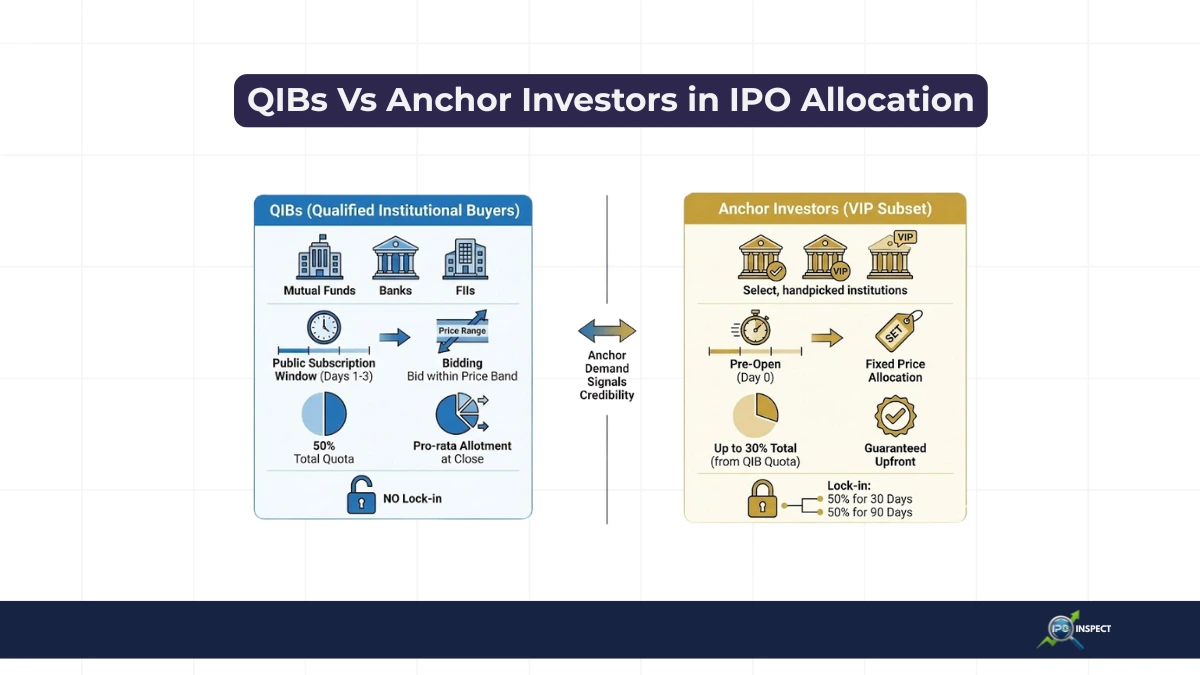
- Bids are collected within the price band or fixed price methods; investors should understand how bidding works in IPO subscriptions.
5. Allotment and Pricing
- Final issue price determined via book-building or fixed price.
- Shares allotted proportionately based on demand and bid price, following a clear process for deciding IPO listing price, as described in the share allotment process in IPOs.
6. Listing and Trading
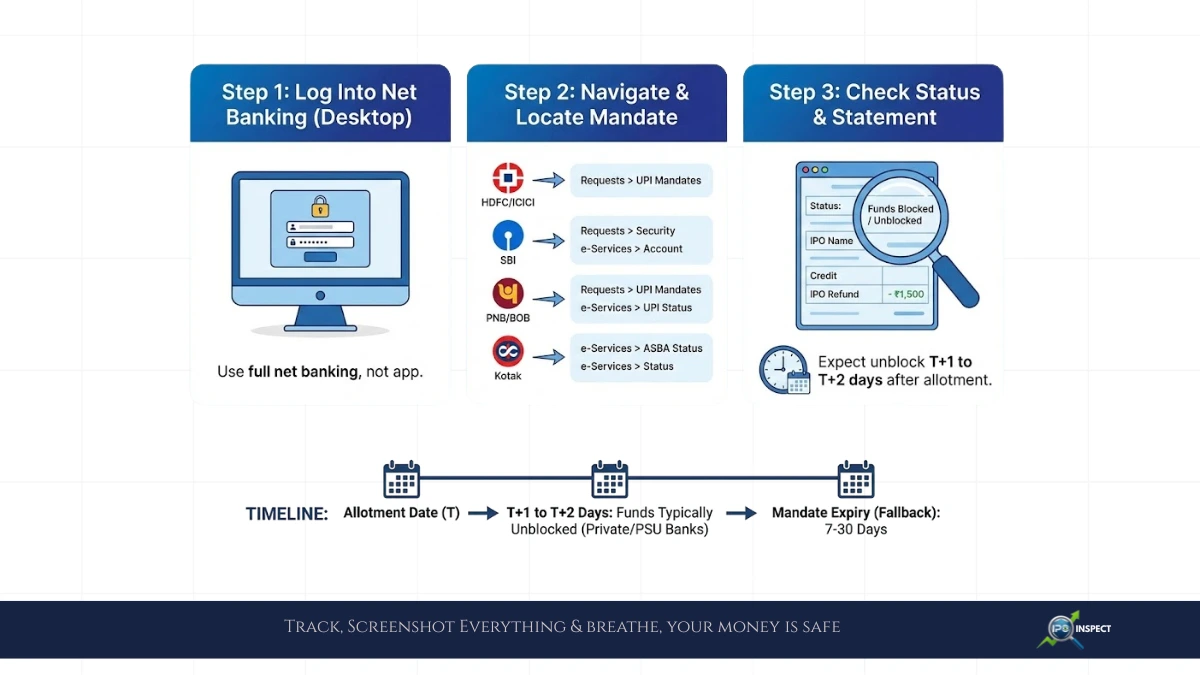
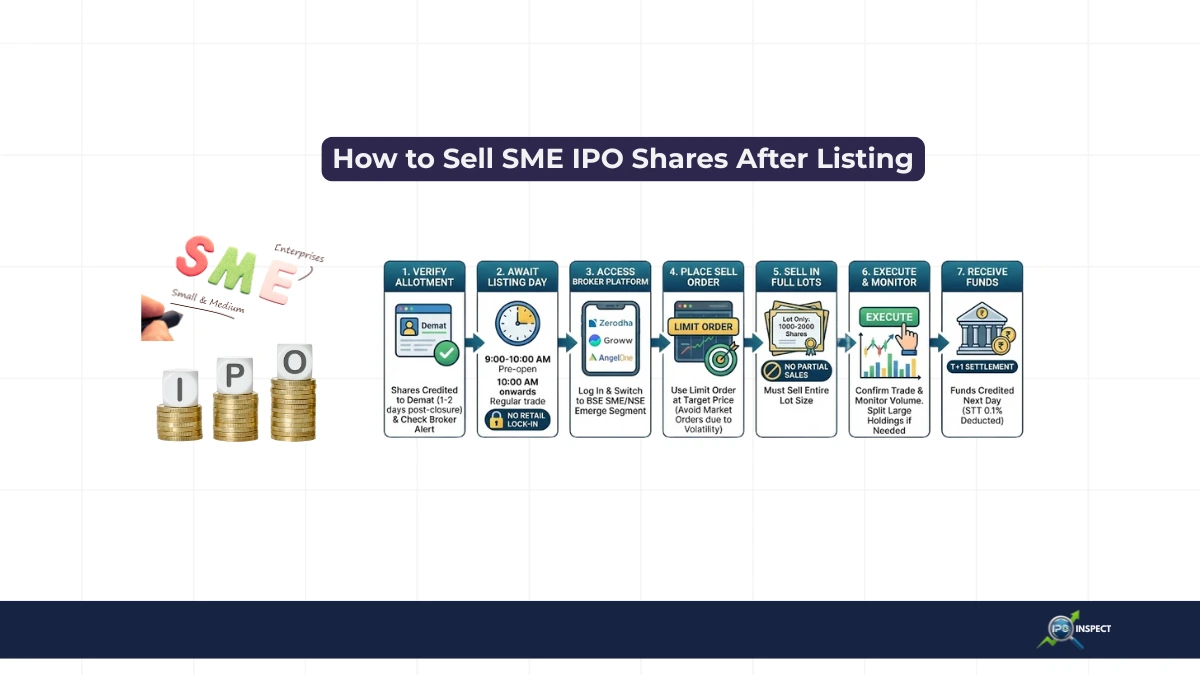
- Shares credited to demat accounts before the listing date.
- IPO shares start trading on stock exchanges, completing the public offering process, learn more about IPO listing gain meaning and calculation for post-listing insights.
7. Post-IPO Phase
- Company executes strategies announced in prospectus.
- Investors monitor stock performance and compliance reporting, often reviewing the track record of best performing IPOs in India as benchmarks.
Why is Understanding the IPO Cycle Important?
- Helps investors time applications and set realistic expectations.
- Clarifies the role of intermediaries and regulatory checkpoints.
- Offers insights into pricing and allotment dynamics.
- Assists new investors in navigating IPO complexities effectively.
Conclusion: The IPO cycle is a well-defined journey transforming private companies into listed entities. Comprehensive knowledge of the cycle from pre-IPO preparations to post listing operations equips investors to make informed decisions and leverage IPO opportunities prudently in 2025.