Arjit

Scripts Fetch IPO Historical Prices APIs

Scripts to Fetch IPO Historical Prices from NSE & BSE APIs 2026

Want to pull IPO listing prices, Day 1 gains, and historical charts directly from NSE/BSE without scraping websites? Here are working Python scripts using official/public APIs that deliver clean data for research. These fetch equity historical prices for any listed IPO, perfect for building your own IPO listing gains tracker that compares debut performance with ...
Arjit

ESOP Shares Locked After IPO Listing

ESOP Shares Locked after IPO Listing – 2026 Clear Answer

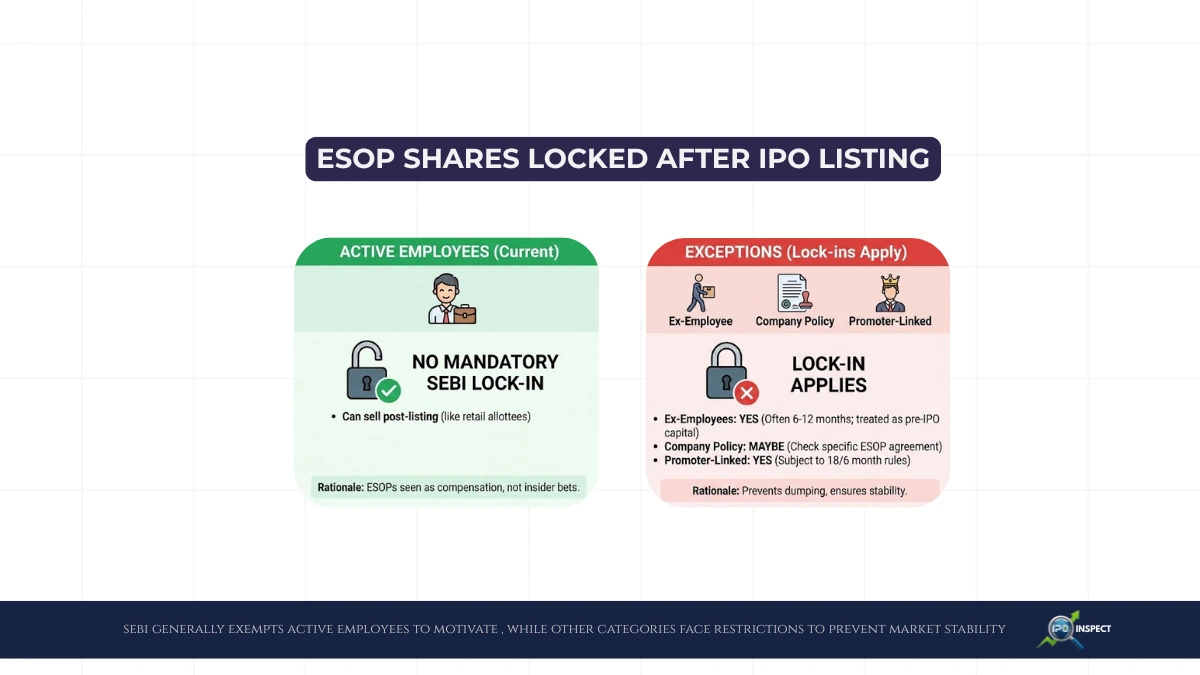
Wondering if those hard earned ESOP shares you exercised will be frozen when your company finally goes public? It’s a common worry for employees, especially with IPO buzz heating up. The short answer is no mandatory SEBI lock-in for current employees ESOP shares post-IPO listing, but there are nuances depending on your status and company ...

Arjit

QIBs vs anchor investors in IPO allocation

Difference Between QIBs & Anchor Investors in IPO Allocation 2026

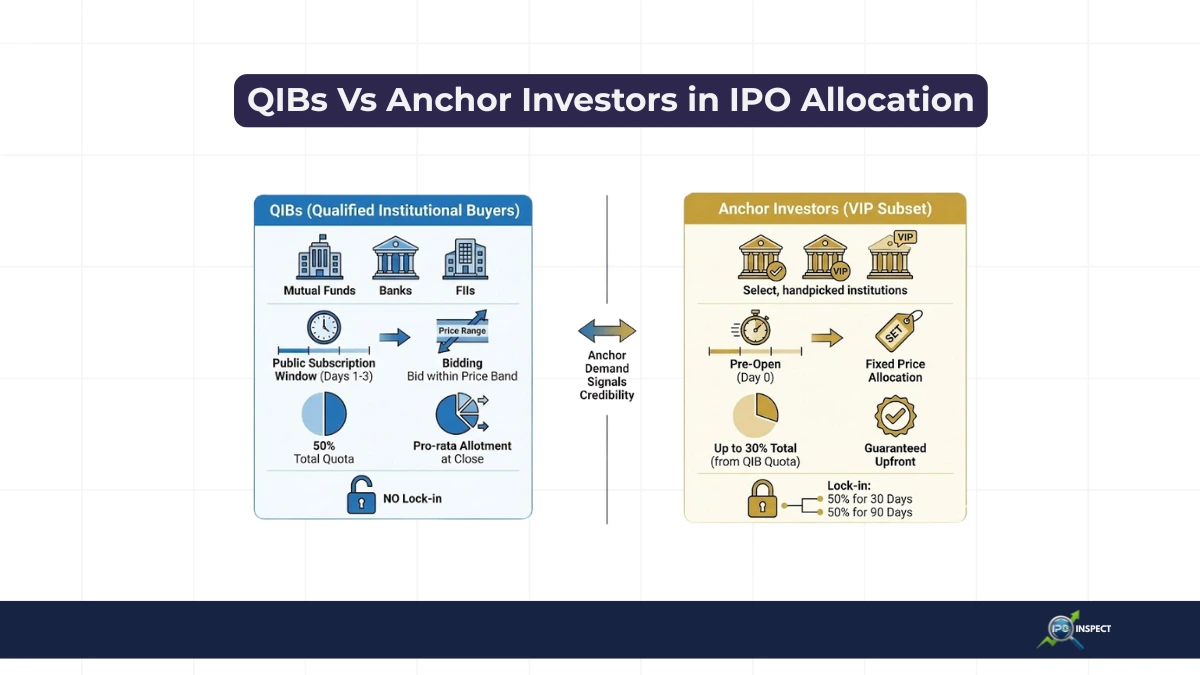
If you’ve been digging into IPOs, you’ve probably noticed QIBs and anchor investors mentioned together, but they’re not the same thing. Both are big institutional players, yet they play different roles in the allocation game. Here’s the straightforward breakdown of difference between QIBs and anchor investors in IPO, focusing on timing, quotas, and how this ...

Arjit

IPO Listing Gains Tracker

How to Track Past IPO Listing Gains for Research in 2026

Want to spot patterns in which IPOs deliver those juicy listing day pops, and which ones flop? Tracking past IPO listing gains isn’t about luck, it’s research that sharpens your edge for upcoming IPO issues in India. Whether you’re hunting multibaggers or avoiding traps, here’s how everyday investors dig into historical data without fancy tools. ...

Arjit

What is Offer For Sale in IPO

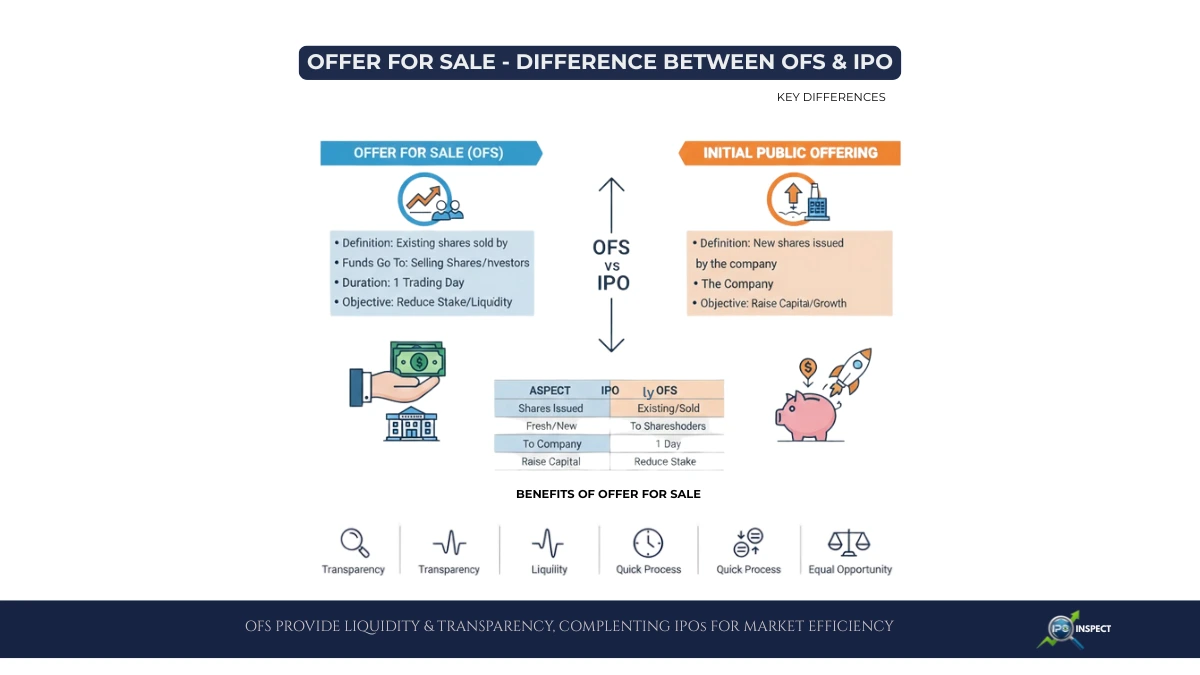
What is Offer For Sale (OFS) and Difference between IPO & OFS

An Offer for Sale (OFS) is a mechanism wherein existing shareholders, usually promoters or major investors of a listed company, sell their shares to the public. Unlike a typical IPO that involves issuing fresh shares to raise capital, an OFS involves the selling of already existing shares through the stock exchange platform, while a standard ...

Arjit

Difference Between Cut Off Price and Bid Price

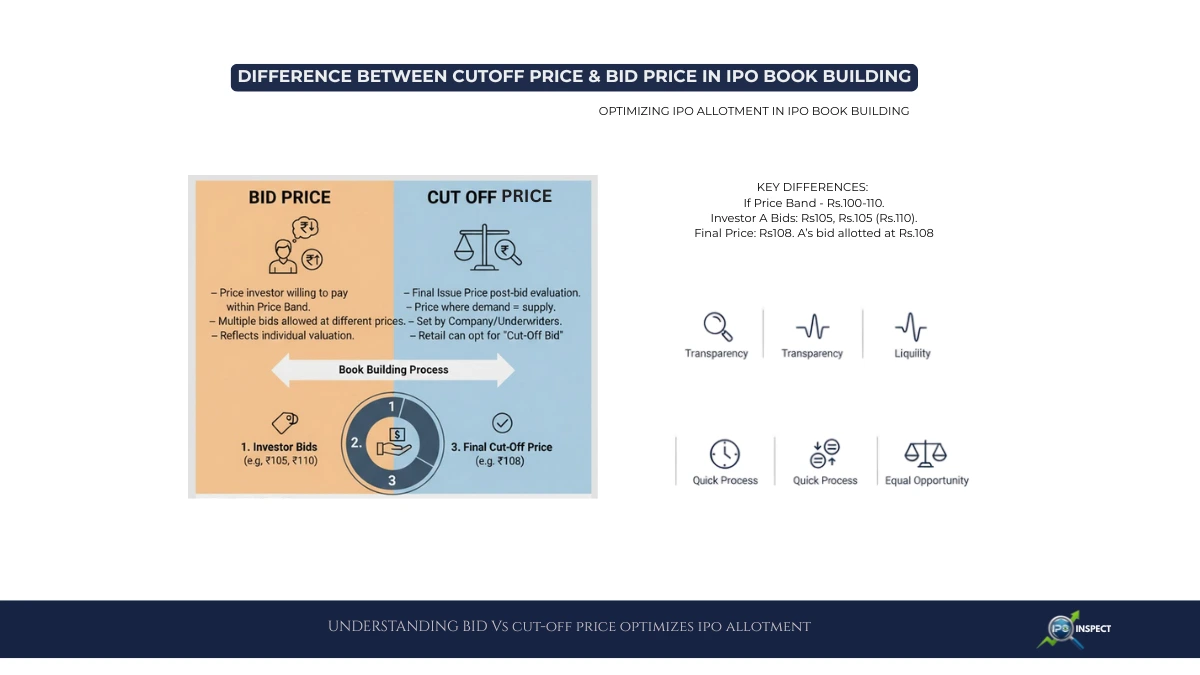
Difference Between Cut Off Price and Bid Price in IPO Book Building

Book building is a popular IPO pricing mechanism where investors specify their preferred price within a given price band, similar to how the overall IPO price discovery process works in the primary market. Two important concepts in this process are the bid price and the cut off price, which often confuse new investors. Understanding their ...

Arjit

IPO Mandate

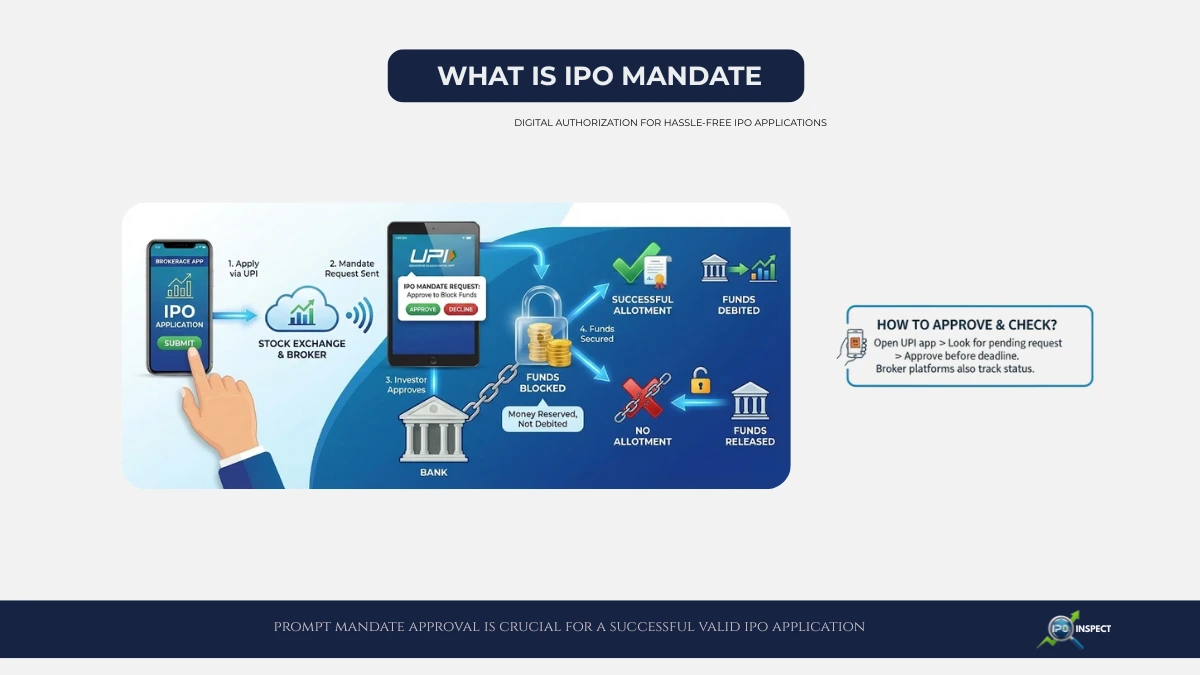
What is IPO Mandate? Meaning, and Process

An IPO mandate is a digital authorization given by investors to their bank via UPI (Unified Payments Interface) apps to block funds required for an IPO application. This UPI-based blocking works alongside the traditional ASBA IPO application process, where funds reserved in your bank account until allotment. This mandate acts as a security measure ensuring ...

Arjit

What is Face Value in IPO Shares

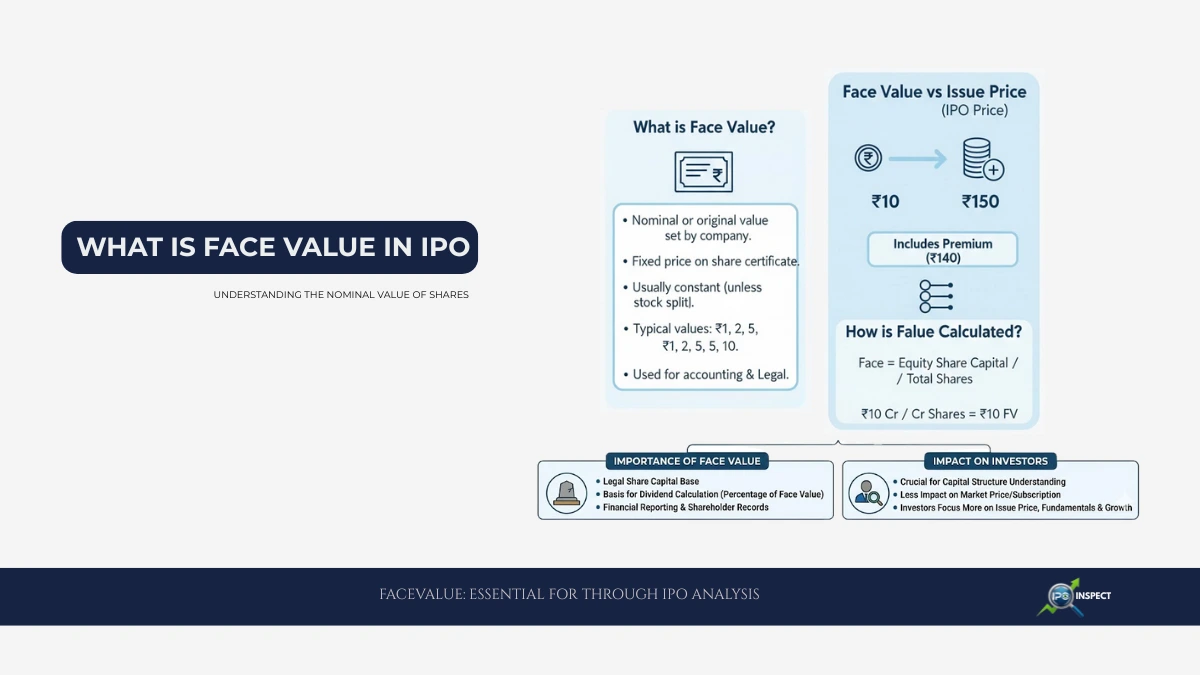
What is Face Value in IPO

Face value, also known as par value or nominal value, is the fixed price assigned to each share by a company when it issues shares through an IPO. This value is printed on the share certificate and represents the base or original cost of a share on the company’s books. Understanding face value helps investors ...

Arjit

How Is IPO Allotment Calculated When Oversubscribed

How is IPO Allotment Calculated When Oversubscribed

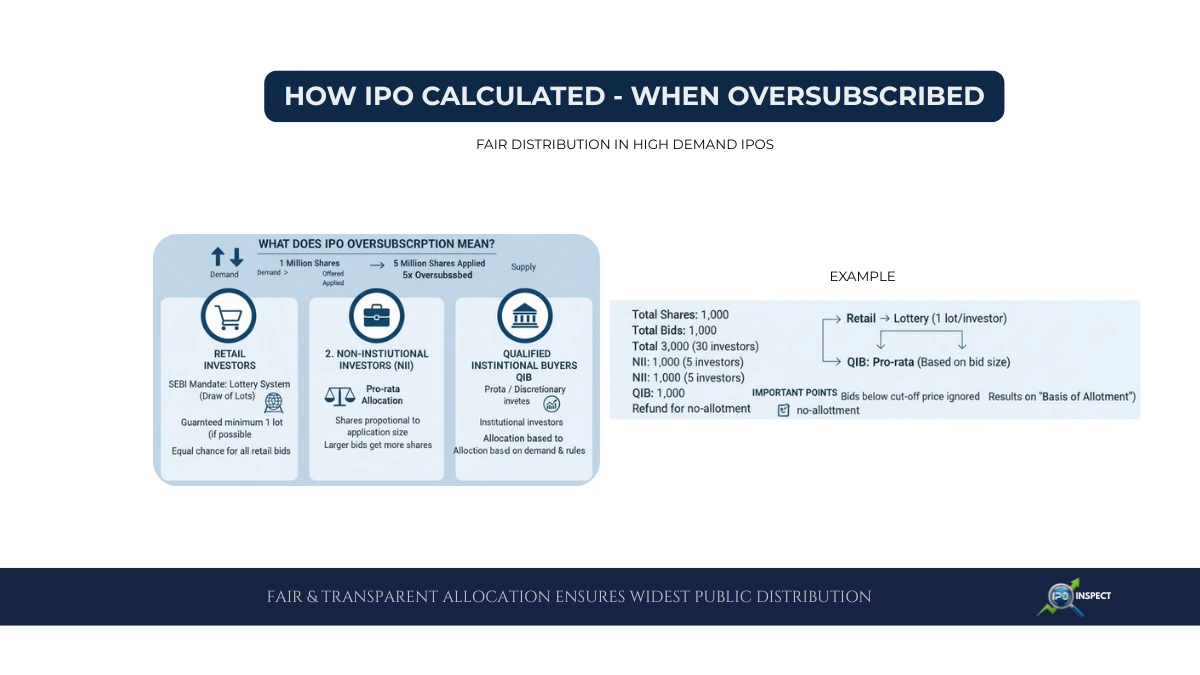
When the demand for an IPO exceeds the number of shares offered, the IPO is said to be oversubscribed. This scenario is common in popular IPOs, and the allotment process becomes crucial to ensure fair distribution among investors. This article explains how IPO allotment is calculated during oversubscription, the role of lotteries and pro-rata allocation, ...

Arjit

IPO Cycle

What is IPO Cycle? Explained with Stages & Process

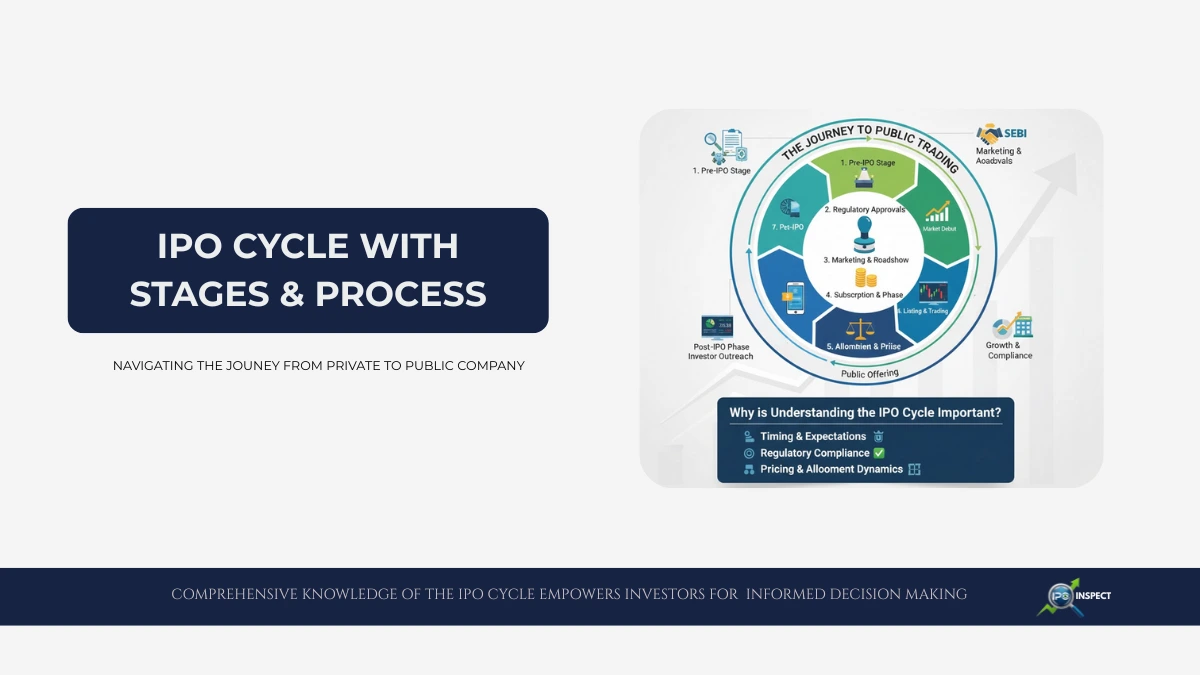
The IPO cycle refers to the complete journey a private company undertakes to become a publicly traded entity on a stock exchange. This cycle encompasses multiple carefully regulated stages, from initial decision-making and regulatory approvals, through subscription by investors, to the final listing and post-market phase. Understanding the IPO cycle offers investors insight into how ...