Oversubscription occurs when the demand for shares far exceeds the total available shares in the IPO.
In such cases, the registrar ensures a fair and transparent allotment process under SEBI regulations. You may know about the share allotment process in IPOs, which typically favors maximum distribution by allocating at least one lot per successful applicant in the retail category.
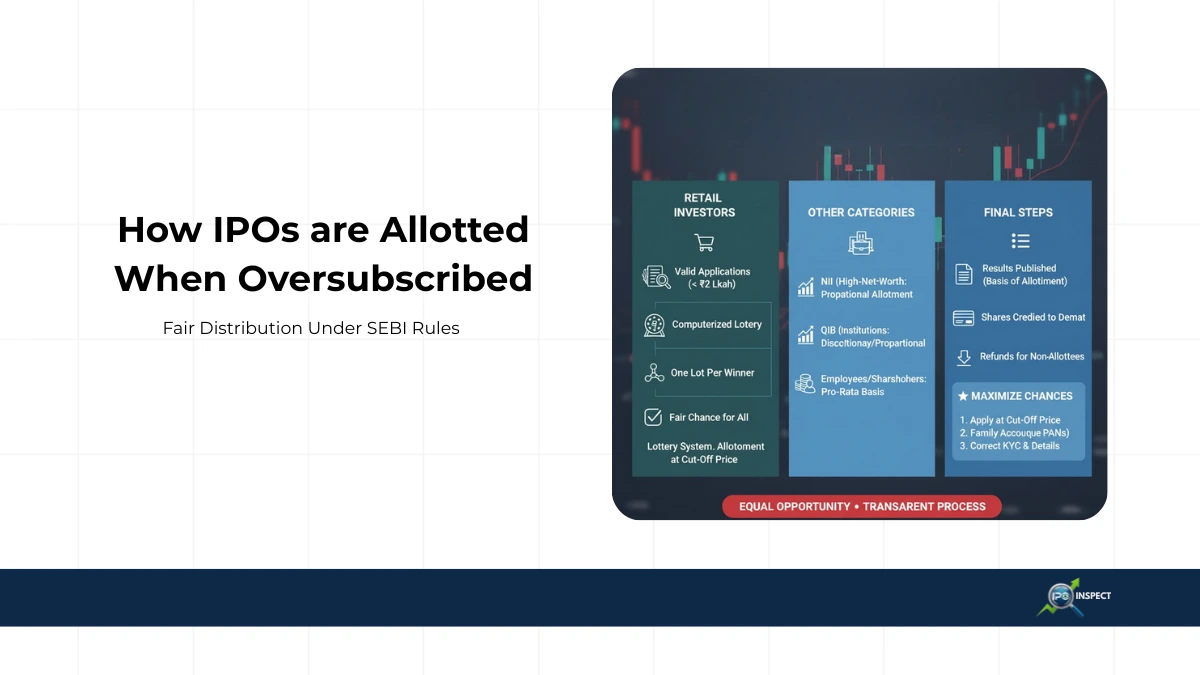
Retail Investor IPO Allotment Process
- All valid retail applications (up to ₹2 lakh) pooled.
- Each eligible application entered into a computerized lottery.
- Only the applications at the cut-off price considered, highlighting the importance of cut-off price and bidding in IPO applications.
- Each applicant gets an equal shot applying for more than one lot does not improve odds.
- Allotment usually limited to one lot per winning applicant.
Other Categories (NII/QIB/Employees) IPO Allotment
- High Net-Worth Individuals (NII): Allocation is proportionate to the number of shares applied for and the over-subscription ratio, larger applicants may get a fractional allotment.
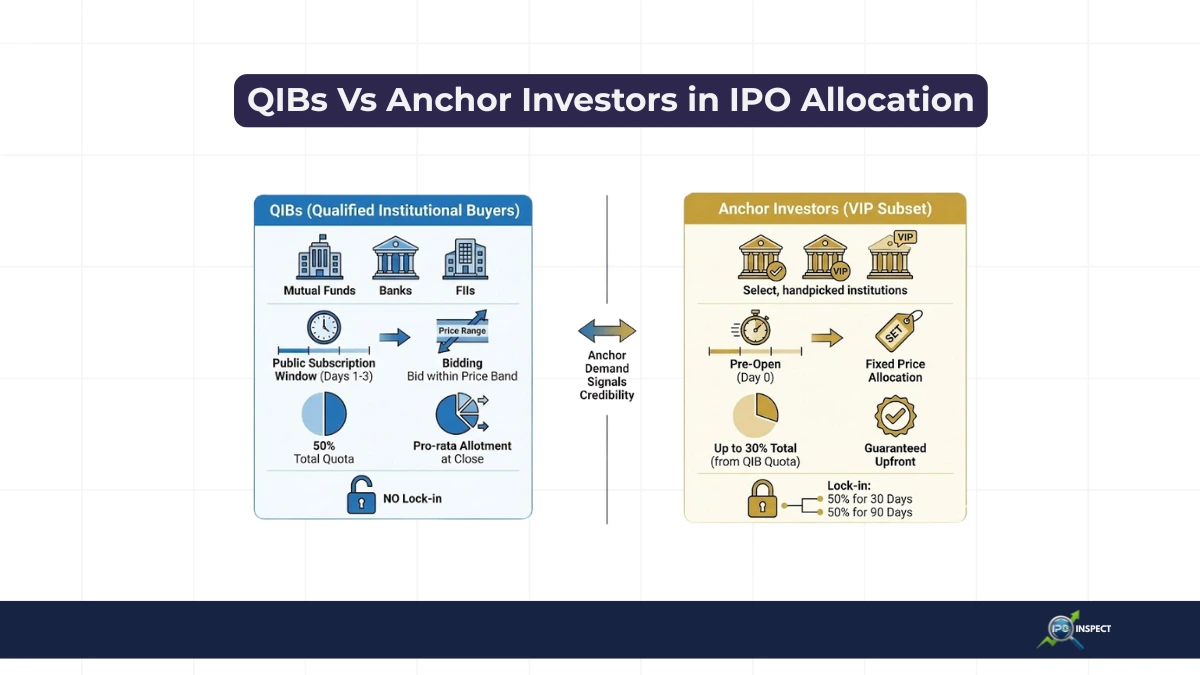
- Qualified Institutional Buyers (QIB): Allotment is discretionary and sometimes proportional but not based on lottery.
- Employees or shareholders: Allocation proportionate or based on specific rules, if their quota oversubscribed, it’s often on a pro-rata basis.
Final Allotment and Refunds
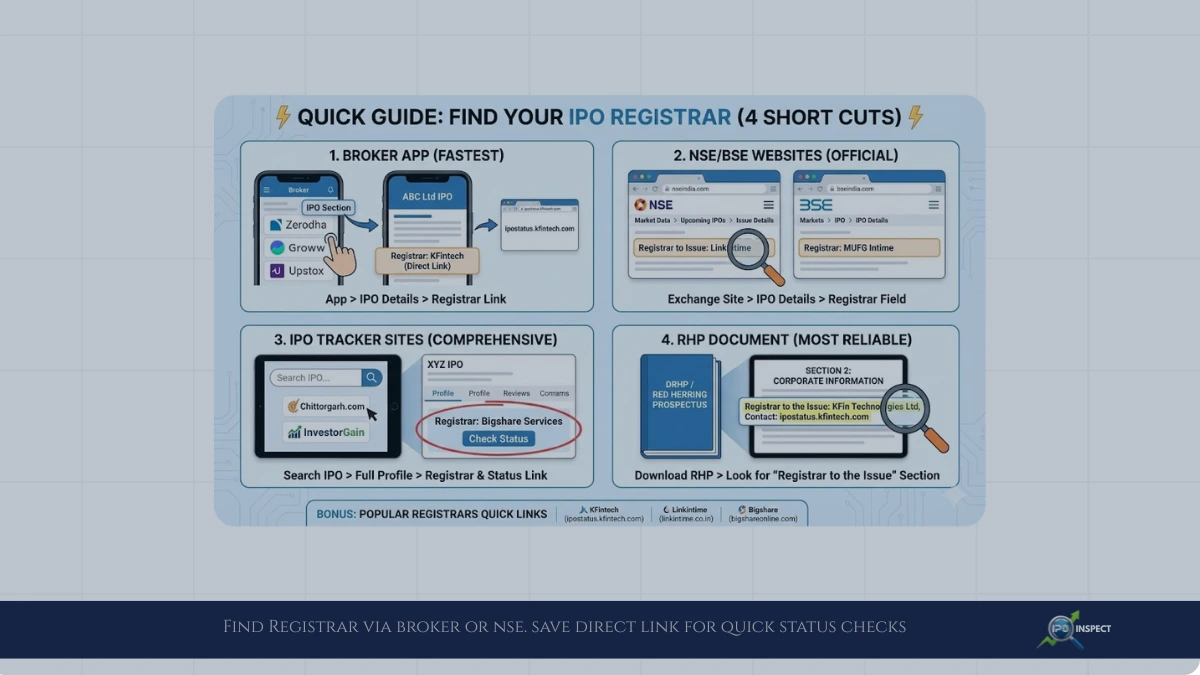
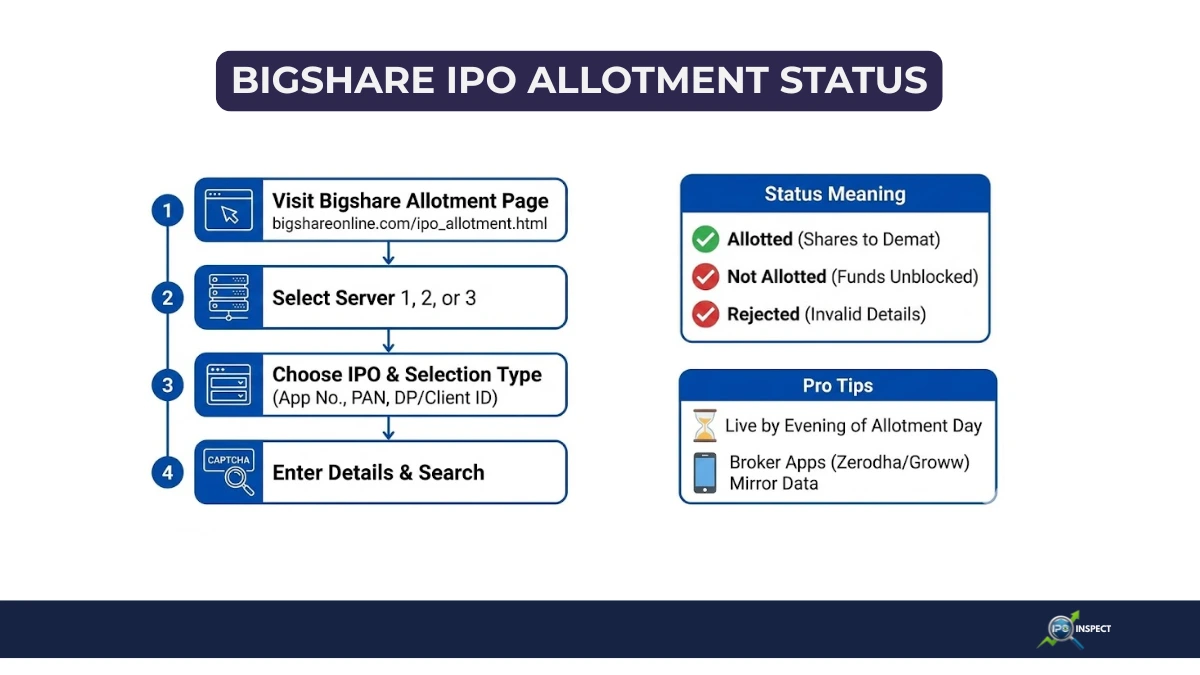
- Results published as a basis of allotment document.
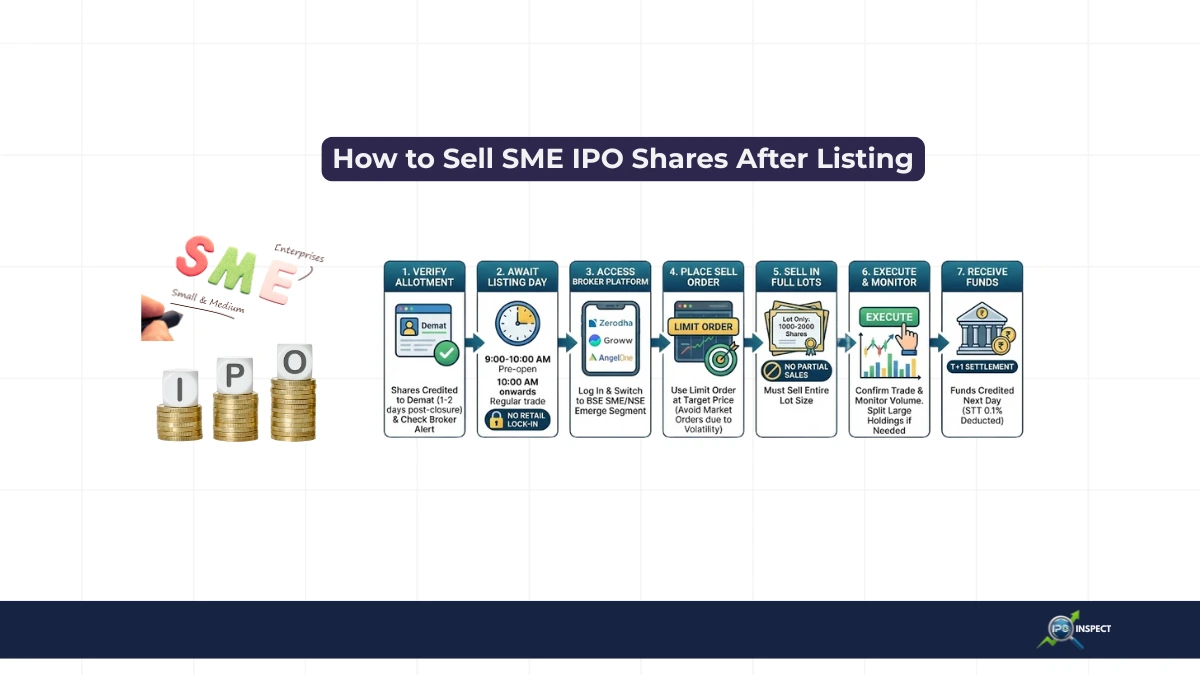
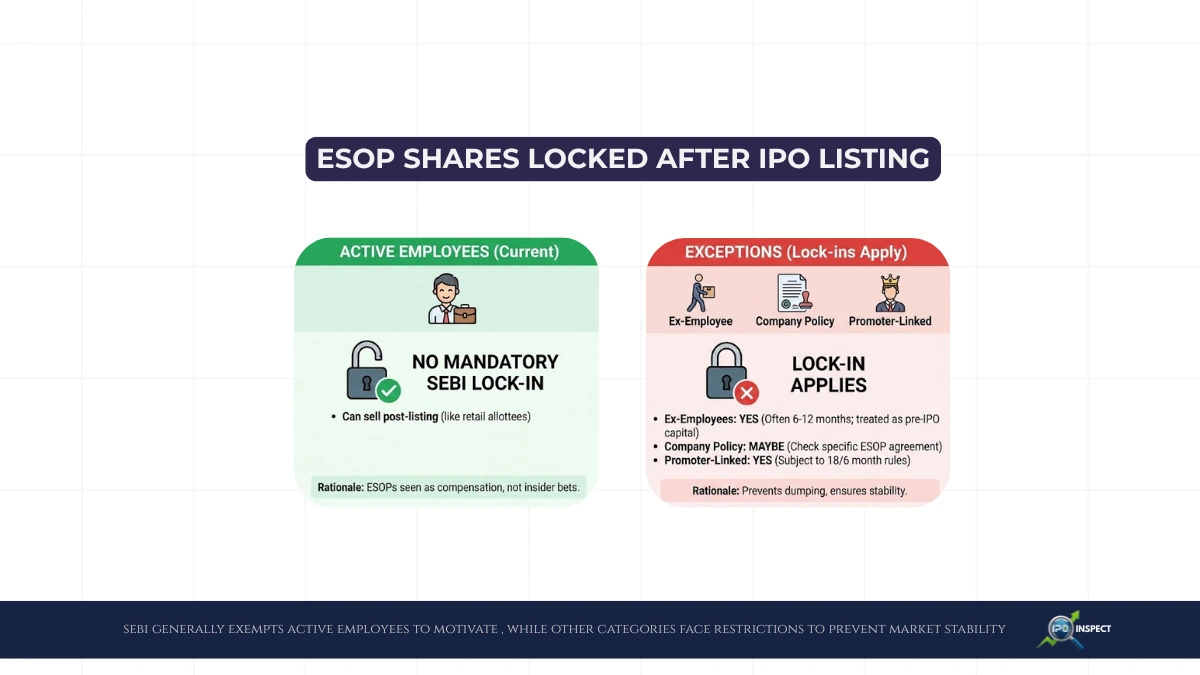
- Successful applicants get shares credited to their demat account and should understand the lock-in period after IPO allotment as per SEBI regulations.
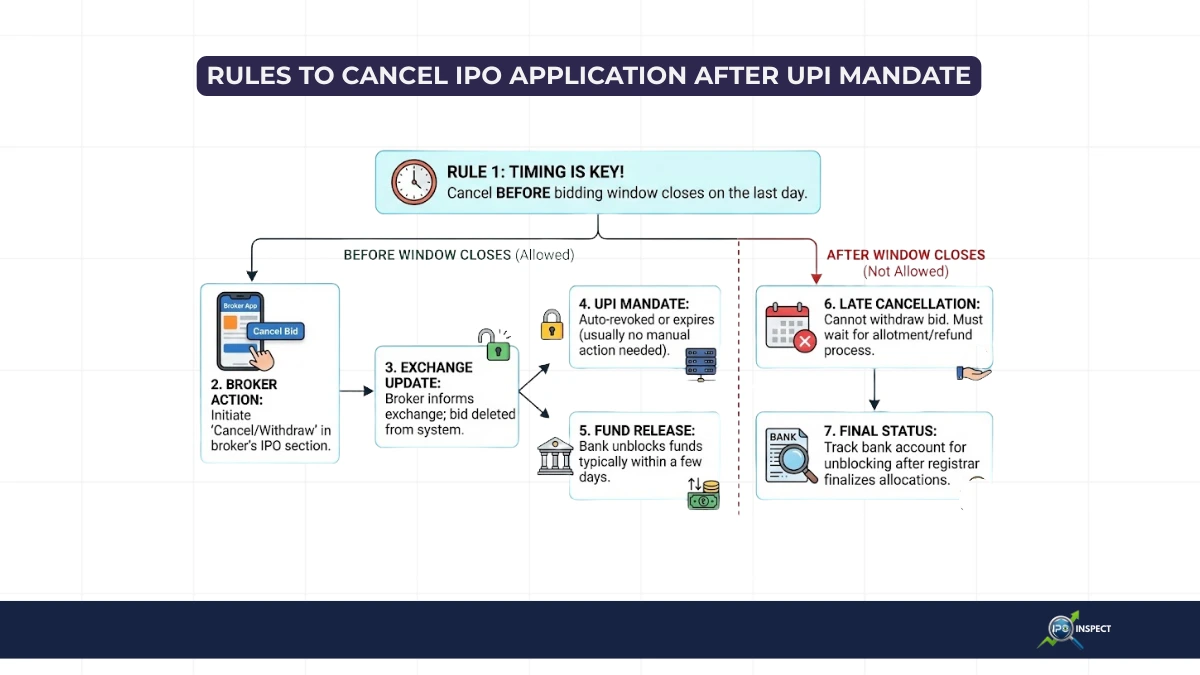
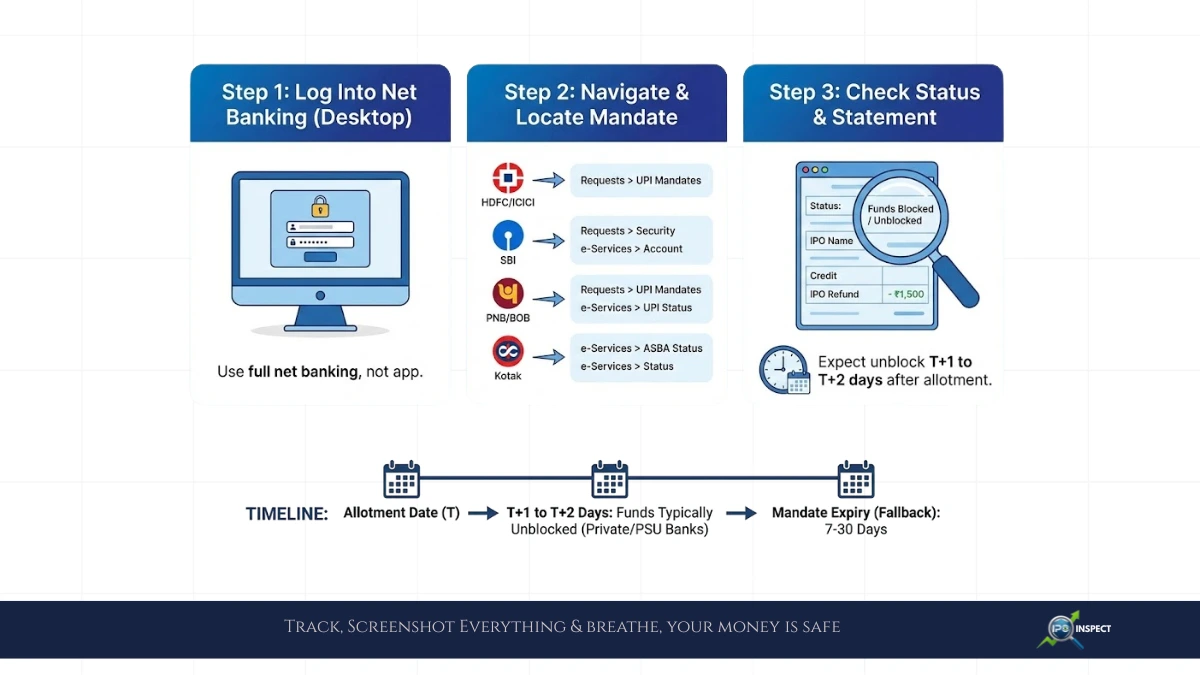
- Others receive refunds for their blocked amount; you can see how to check your IPO refund status for timely updates.
- Results published as a basis of allotment document.
- Successful applicants get shares credited to their demat account.
- Others receive refunds for their blocked amount.
How to Maximize Chances in Oversubscribed IPOs
- Apply at the cut-off price to avoid rejection.
- Apply through multiple family demat accounts, each under a unique PAN for a legal extra chance, always adhering to SEBI rules for multiple demat accounts to ensure compliance.
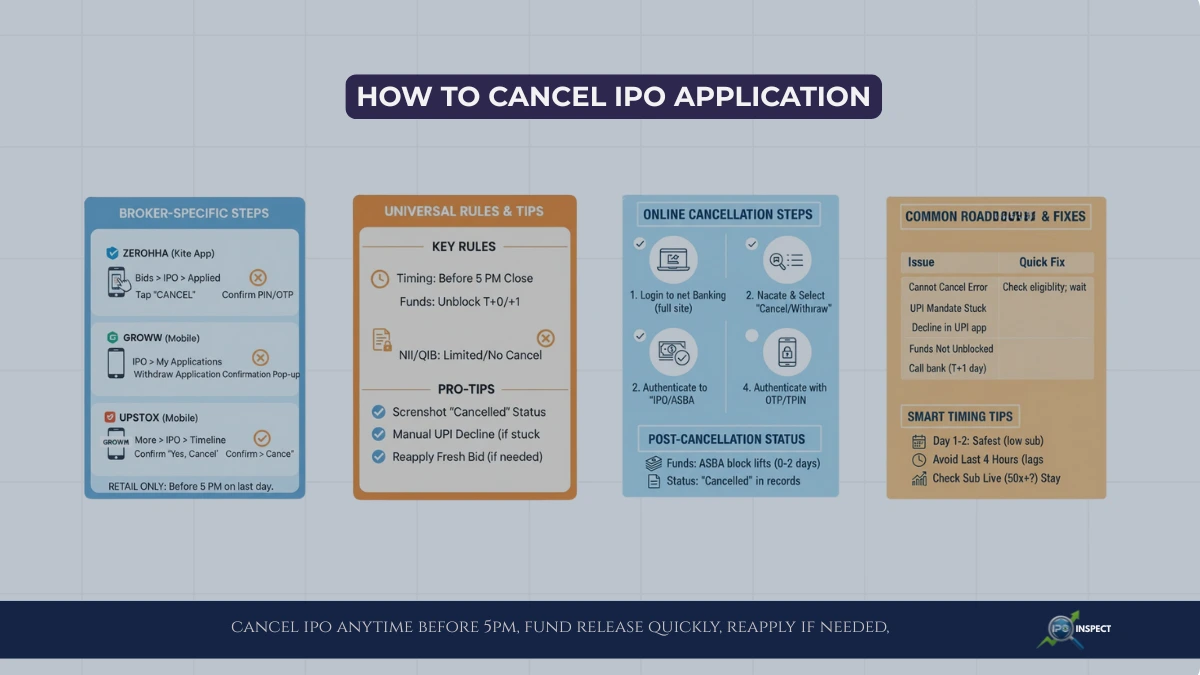
- Ensure all application details are correct to avoid technical rejection, review common reasons for IPO allotment rejection to minimize risks.
- Investors should also be aware of UPI errors in IPO applications and their solutions for a smoother application process.
Conclusion: When an IPO oversubscribed, the allotment for retail investors relies on a lottery system to ensure equal opportunity, with each valid application entered once and successful applicants receiving one lot only, helping distribute shares fairly, regardless of demand magnitude.