UPI mandate errors commonly cause IPO application rejections due to issues like incorrect UPI ID entry, failure to approve the UPI mandate before the IPO closing deadline, wrong UPI PIN input, or technical glitches in the bank or UPI app.
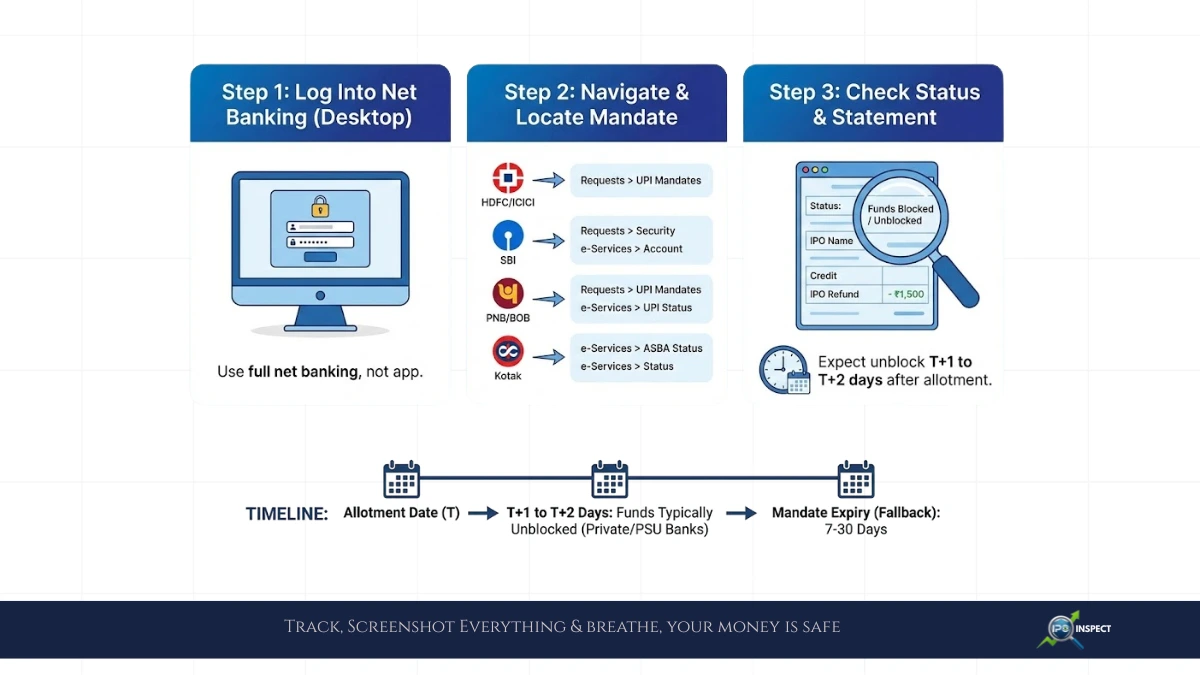
When the mandate is not approved or is rejected, the funds remain unblocked and the IPO application becomes invalid, leading to rejection during allotment, one of several common reasons for IPO application rejection faced by investors.

How to Fix UPI Mandate Errors to Avoid IPO Rejection
- Verify UPI ID Carefully: Ensure the UPI ID matches exactly with your active and linked bank account UPI handle. Also, always comply with SEBI regulations for multiple demat account IPO applications, as mismatched UPI and demat details may lead to further rejection.
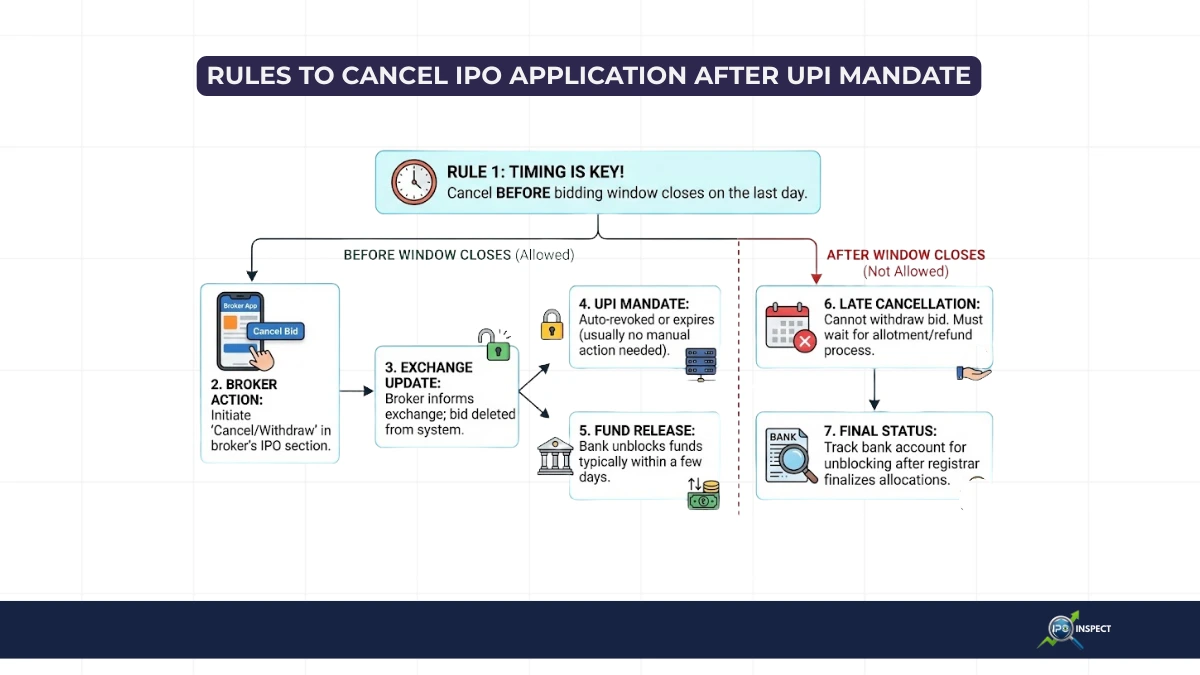
- Approve the Mandate Promptly: Upon applying, approve the UPI mandate request as soon as you receive it on your UPI app. Delays or missing the 5 PM cutoff on IPO closing day will invalidate your application.
- Enter the Correct UPI PIN: Use the correct PIN when authorizing the mandate; repeated incorrect attempts can block the transaction or reject the mandate.
- Check Bank and App Compatibility: Ensure your bank account supports UPI IPO payments and your app version is up to date. Sometimes bank server issues or app glitches delay or reject mandates.
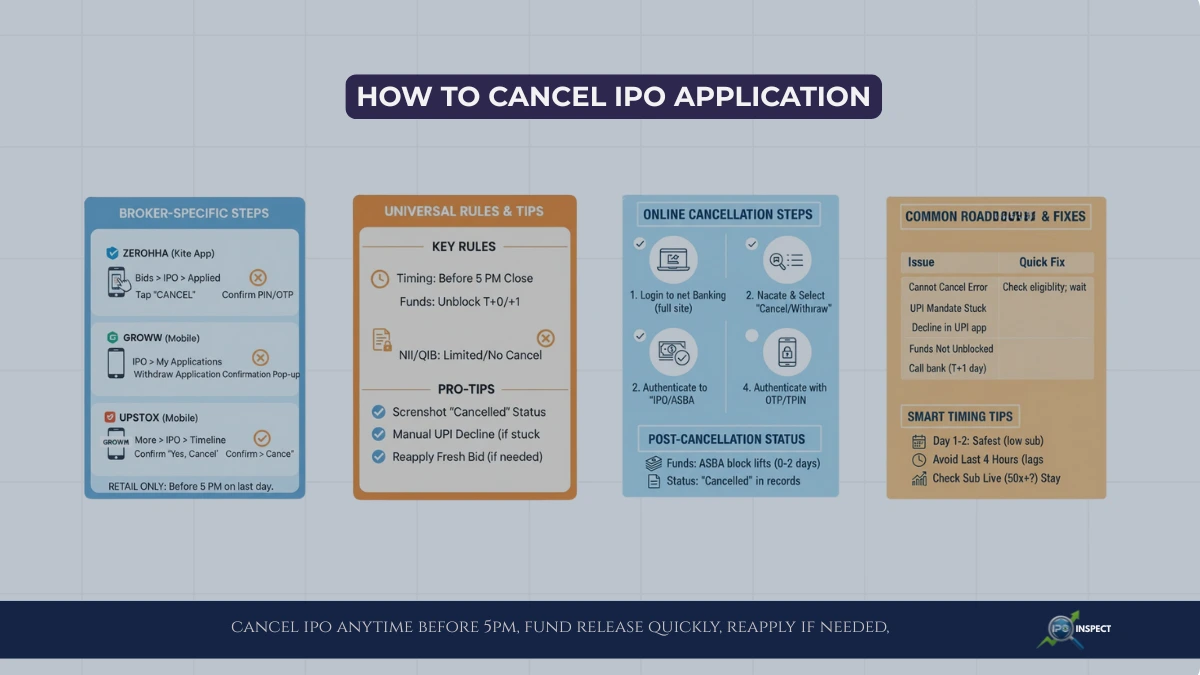
- Re-initiate Mandate if Failed: If the mandate fails or you don’t receive it within an hour, cancel the original IPO application and reapply with the correct UPI details.
- Maintain Sufficient Bank Balance: Ensure adequate funds during the mandate approval window. While reviewing funds and tracking your application, stay updated with grey market premium updates to gauge market demand around major IPOs.
- Fix and avoid these: Always double-check UPI details, approve mandates promptly before deadline, ensure banking and app functionality, and reapply if issues occur.
Summary: UPI mandate errors like incorrect UPI ID, failure to approve or authorize on time, wrong PIN, or technical disruptions lead to IPO application rejection.
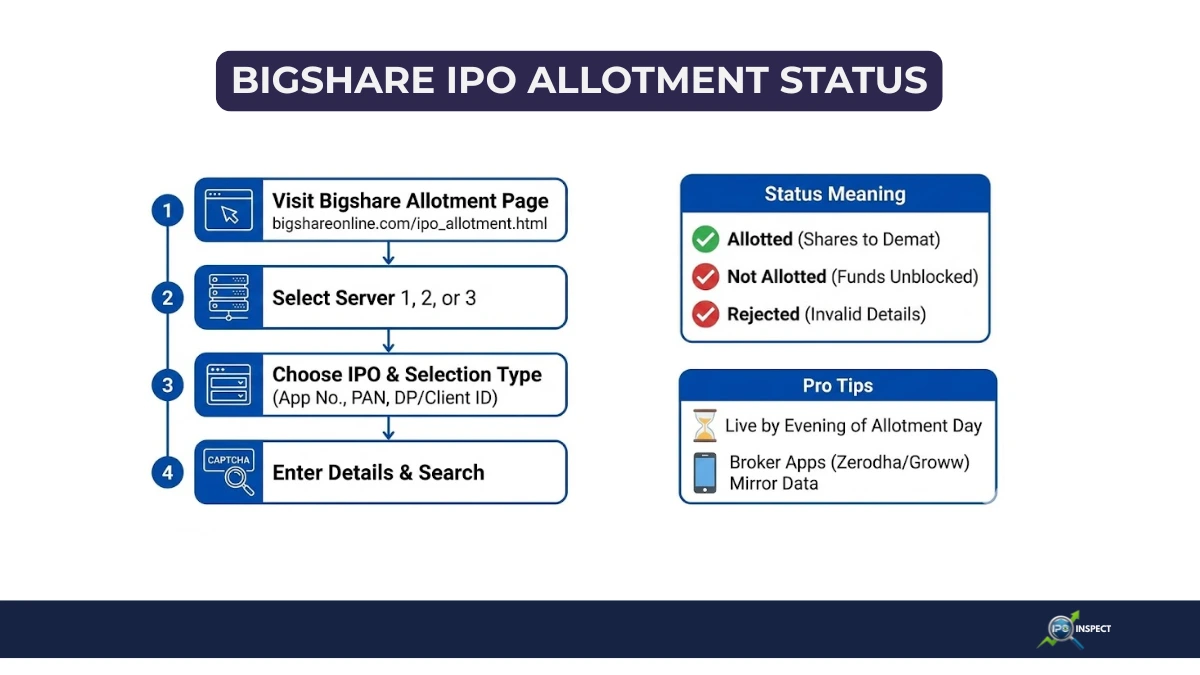
Understanding the IPO share allotment process, along with resolving mandate errors, helps improve your chances of successful allocation. A successful application is only one step subsequent listing depends on factors influencing IPO listing price and market sentiment.