When applying for an IPO, understanding the concept of lots, minimum share blocks you can apply for and how many lots you can submit is essential.
This article explains IPO lot sizes, application limits, and practical tips for retail investors in India for 2025.
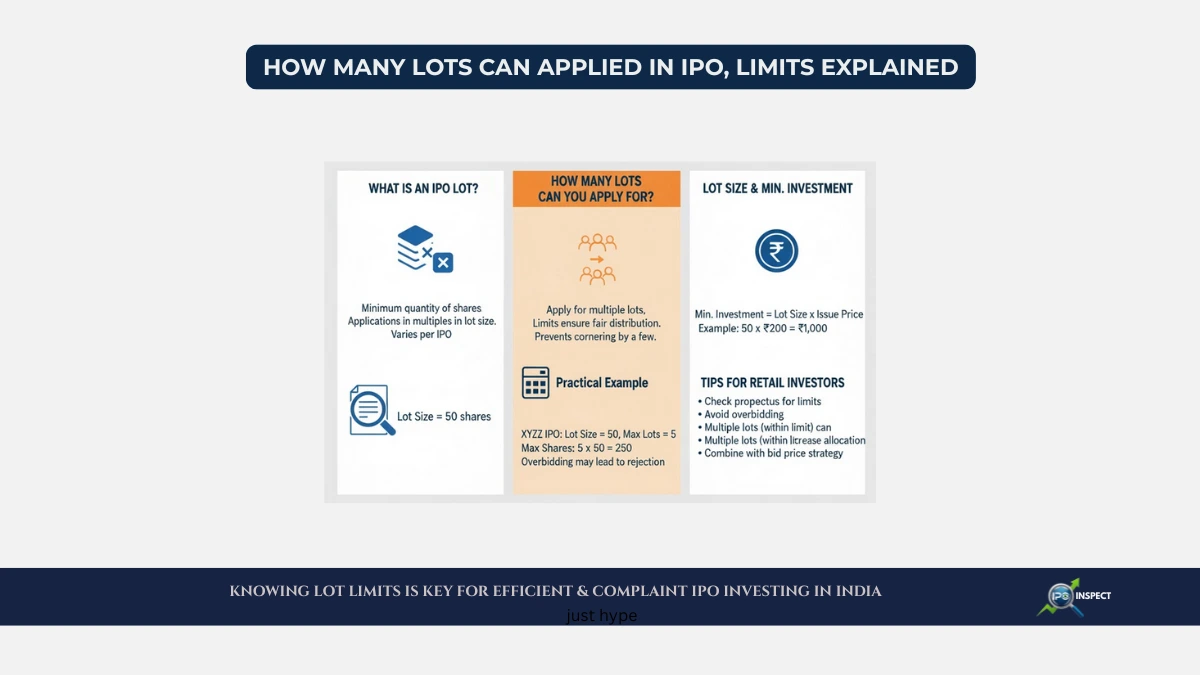
What is an IPO Lot?
- A lot is the minimum quantity of shares specified by the company that investors must bid for in an IPO.
- All applications must be in multiples of this lot size, bidding for individual shares or less than one lot is not allowed.
- Lot size varies across Live IPOs depending on the company’s pricing, total issue size, and regulatory approvals.
How Many Lots Can You Apply For?
- Investors can apply for multiple lots, subject to limits set by the company and SEBI.
- Some IPOs cap the maximum number of lots per investor to ensure fair share distribution among a wide customer base.
- For example, an IPO might permit a maximum of 10 lots per retail investor, meaning if the lot size is 50 shares, a maximum of 500 shares can be applied for.
Why are there Limits on Number of Lots?
- Limits prevent a few investors from cornering the issue.
- They help distribute shares fairly across retail investors, enhancing market accessibility.
- Regulators impose upper bounds based on investor categories such as retail, NII, and QIB to maintain equitable allotment and ensure each quota is treated fairly.
Practical Example of IPO Application Lot
If XYZ IPO sets:
- Lot size = 50 shares
- Maximum lots allowed = 5
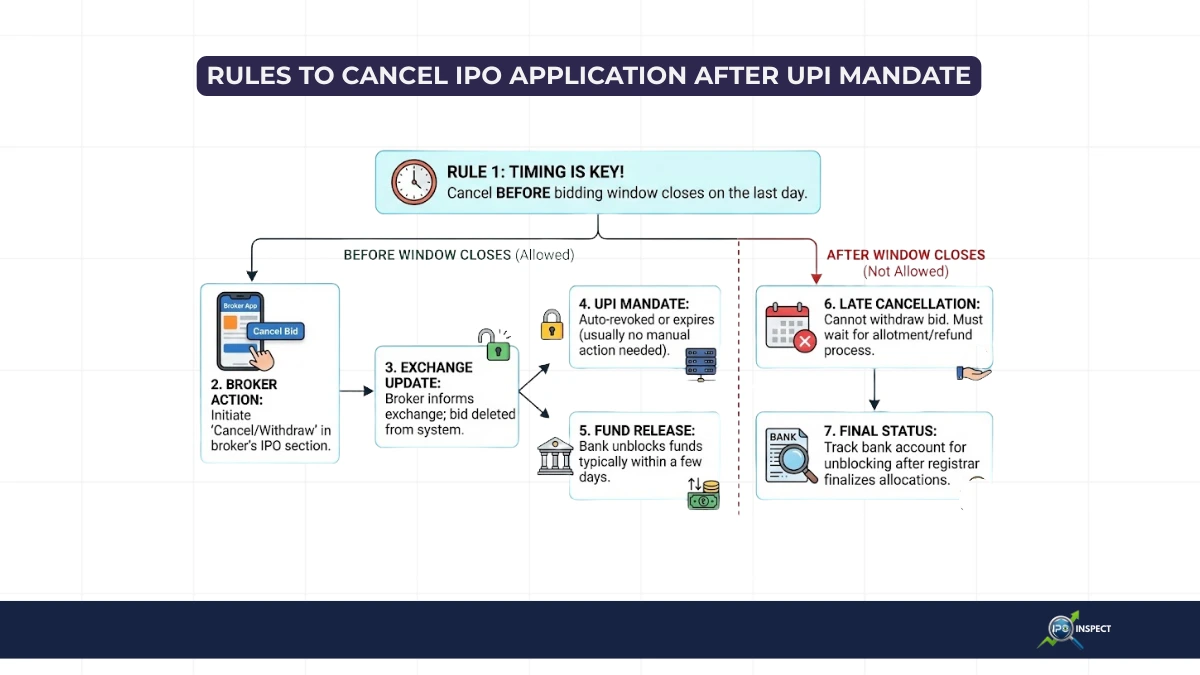
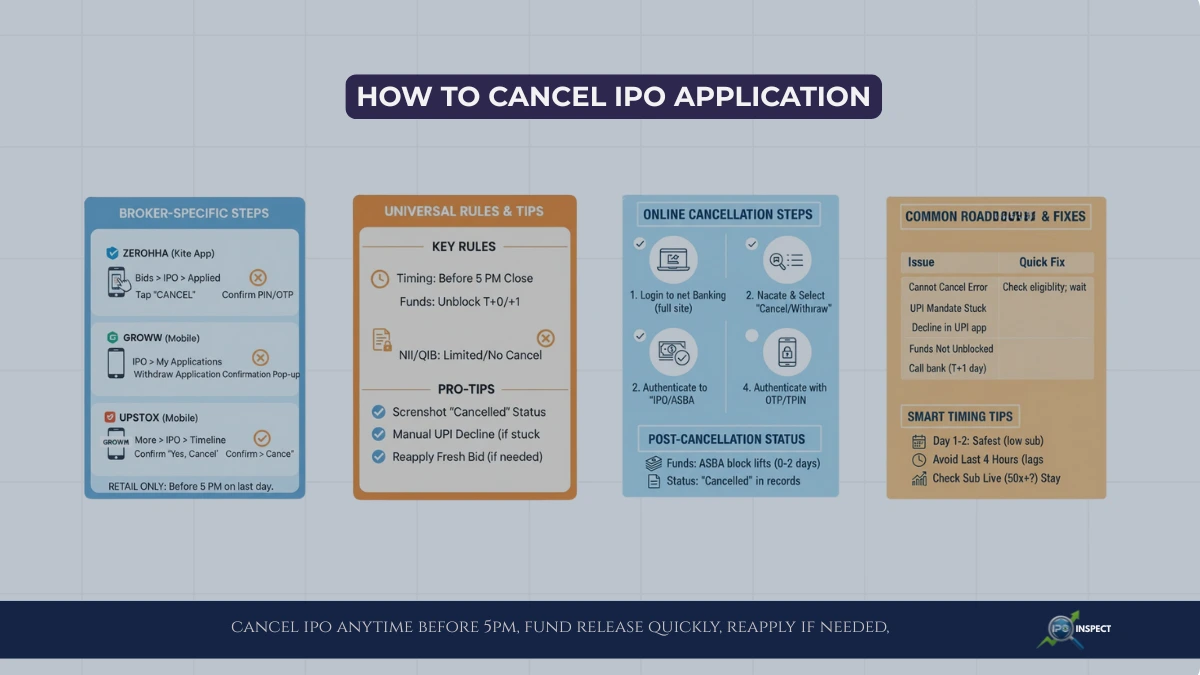
You can apply for up to 250 shares (5 × 50). Applying for more than maximum lots may lead to rejection or application cancellation.
How Lot Size Impacts Minimum Lot Size in IPO
Lot size combined with the price band in IPO decides minimum investment from investors. For instance, if lot size is 50 and issue price is ₹200:
- Minimum investment = 50 × ₹200 = ₹10,000
Investment multiples increase as more lots are applied.
When planning your application amount, it also helps to understand the cut-off price in IPO and the difference between cut-off and bid price, because these influence how your lot-based bids are processed.
Tips for Retail Investors on IPO Lots
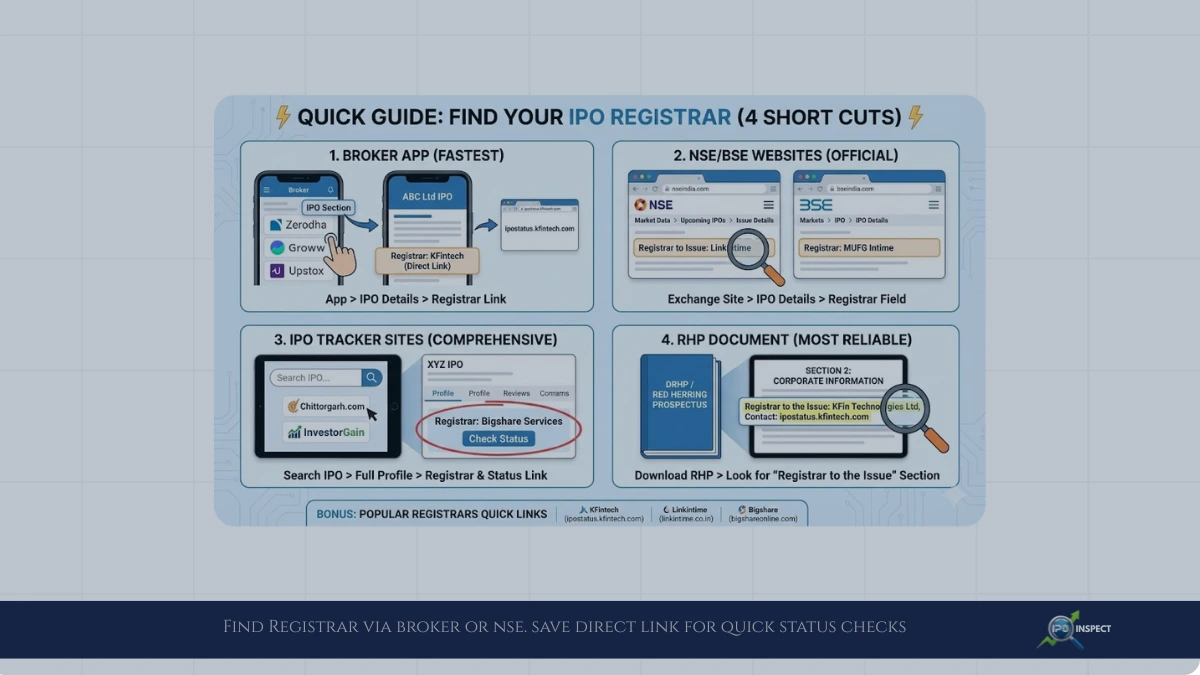
- Always check the IPO prospectus and overall IPO cycle stages to confirm the exact lot size and maximum lots allowed before applying..
- Avoid overbidding beyond max lots to prevent application rejection.
- Applying for multiple lots within allowed limits can increase your chance of allotment, but outcomes still depend on the IPO allotment calculation when issue oversubscribed.
- Combine knowledge of lot size with bid price strategy for optimal IPO participation.
Conclusion: IPO lot sizes standardize application quantities and ensure fair allocation among diverse investors. Knowing how many lots you can apply for helps plan IPO investments efficiently and comply with SEBI norms for a smooth allotment experience.