Not receiving an IPO allotment is a common concern for many investors, especially during oversubscribed issues.
Understanding the various reasons behind non-allotment helps investors avoid mistakes and increase their chances in future IPOs.
This article outlines key factors that lead to non-allotment and how to address them.
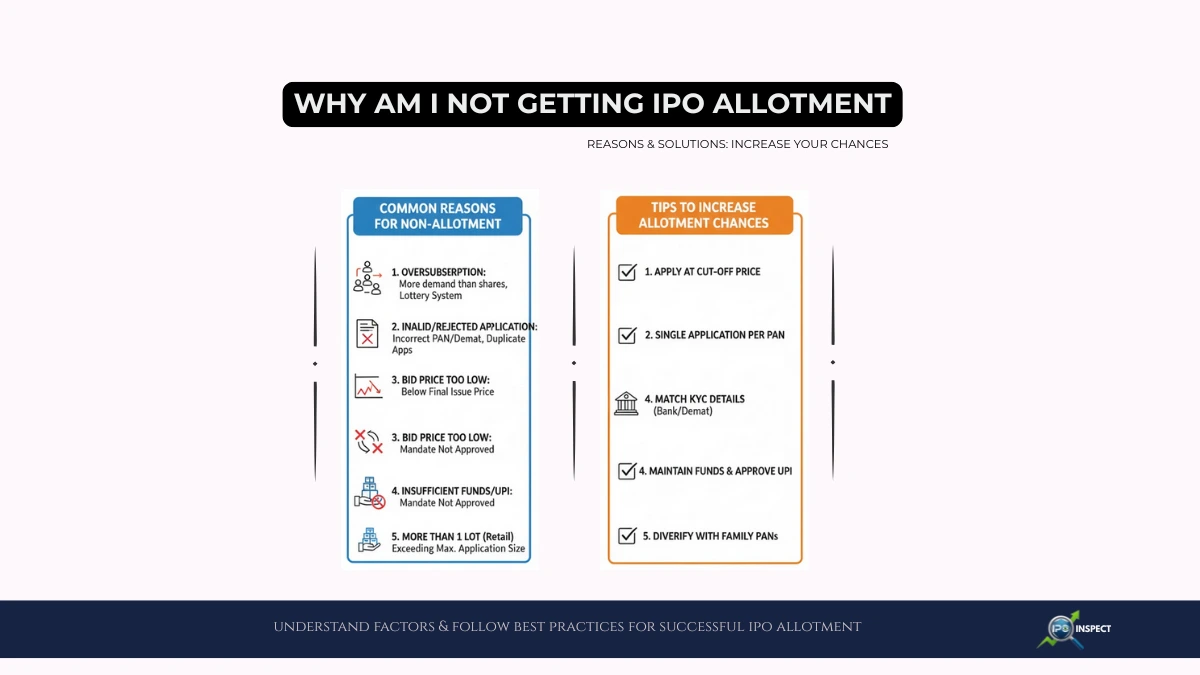
Common Reasons for Not Getting IPO Allotment
1. Oversubscription
- The most frequent reason is oversubscription, where total bids exceed the shares available.
- When this happens, shares are allotted via a lottery system, and many applicants do not get allotment, understanding how IPO allotment is calculated when oversubscribed helps investors see why some applications miss out.
Monitoring investor demand and learning to assess IPO subscription levels can give an early indication of how tough allotment chances might be.
Strong demand often shows up not only in subscription data but also in IPO GMP today, and understanding how IPO GMP reflects market sentiment can explain why heavily subscribed issues see lower allotment chances for retail investors.
2. Invalid or Rejected Application
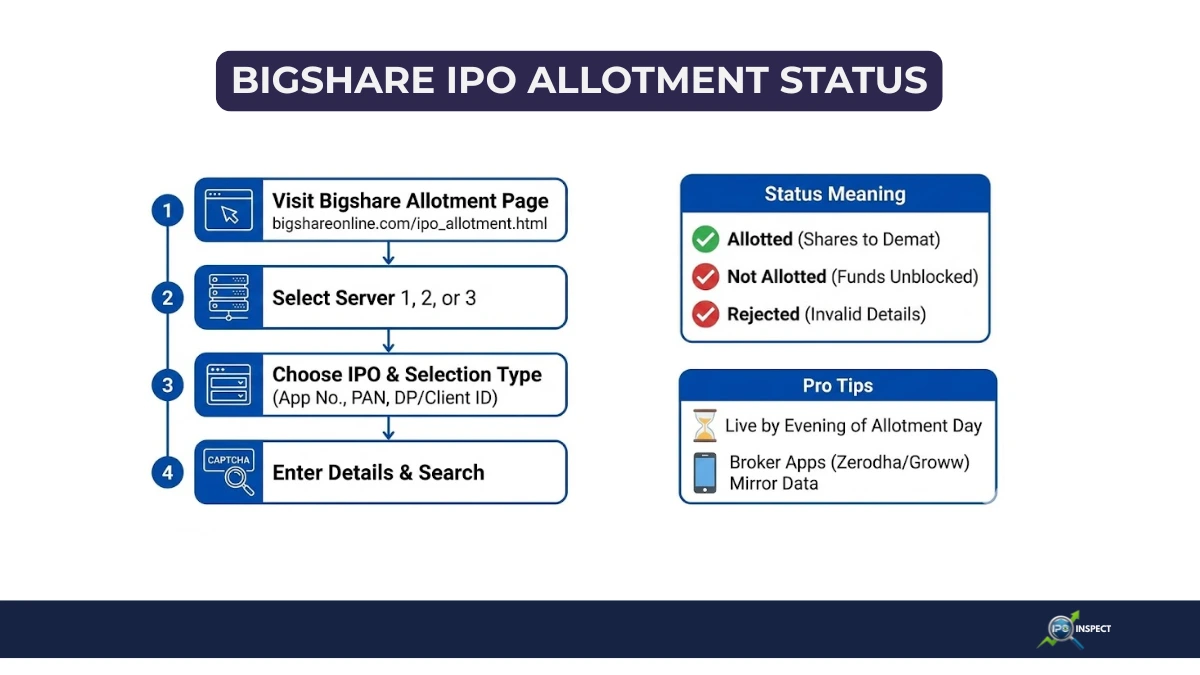
- Mistakes like incorrect PAN, demat account details, or mismatched information between your bank and demat can lead to rejected applications.
- Using multiple applications with the same PAN (except for family members with unique PANs) results in all applications canceled.
3. Bid Price Lower Than Final Issue Price
- In book-building IPOs, if your bid price is below the final issue price, your application not considered for allotment.
4. Insufficient Funds or Rejected UPI Mandate
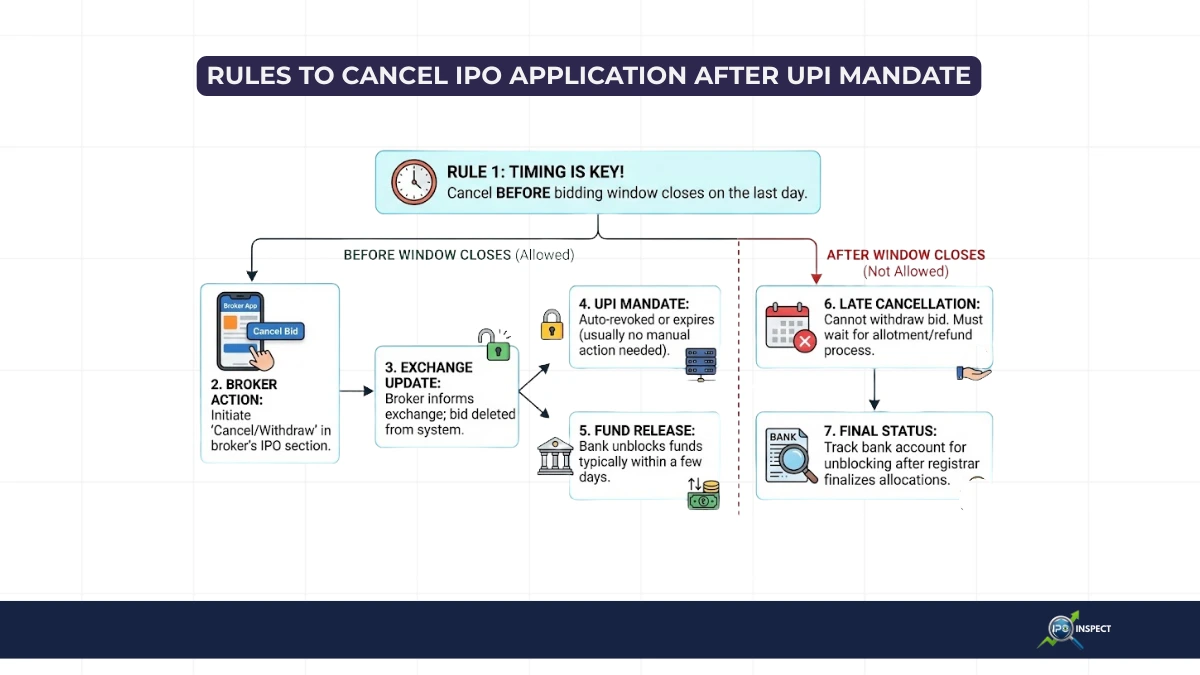
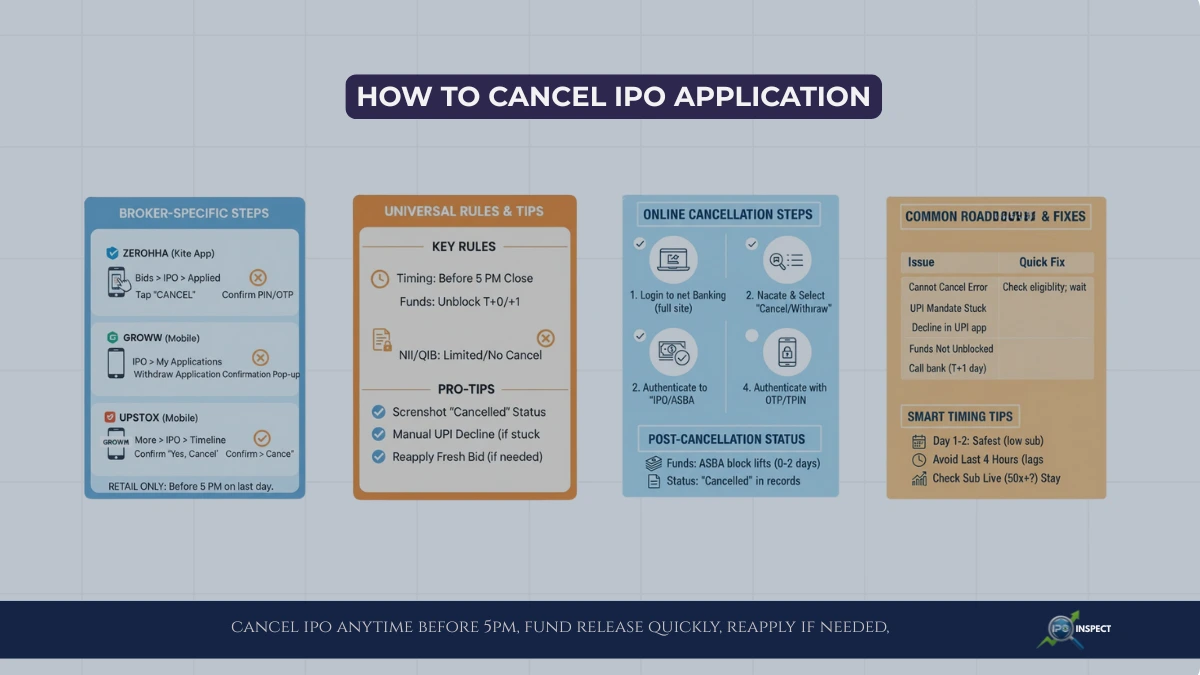
- Your bank must have sufficient funds, and you must approve the UPI mandate timely, otherwise, your application gets rejected. Understanding what an IPO mandate is and how to fix common UPI errors in IPO applications can significantly reduce payment-related rejections.
5. Applying for More Lots Than Allowed
- SEBI rules specify a maximum application size under retail categories, usually one lot.
- Applying for more than allowed may cause rejection, so investors should know how many lots can be applied in an IPO and the limits on how many bids can be placed for an IPO.
Tips to Increase IPO Allotment Chances
- Apply at the cut-off price to qualify for allotment at the final issue price.
- Submit only one application per PAN under the same category to avoid duplication rejection.
- Ensure all details match across PAN, bank, demat, and UPI while using the ASBA process; our overview of ASBA in IPO explains why this matters.
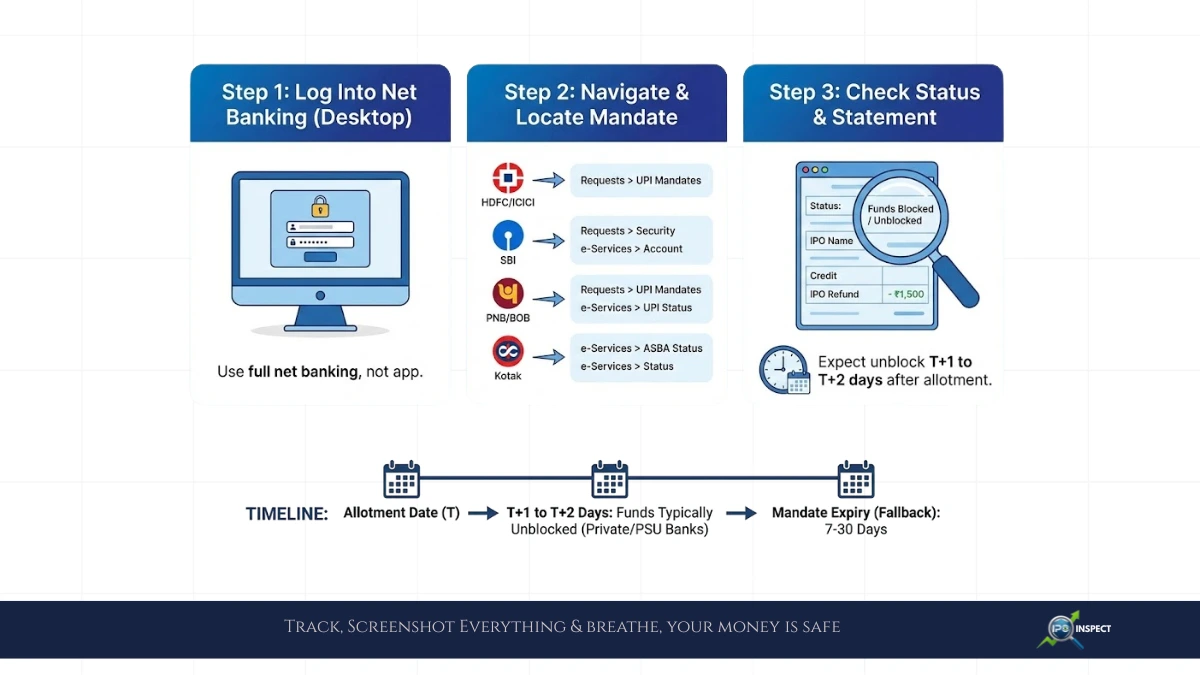
- Maintain adequate funds and approve the UPI mandate promptly, then track outcomes through an online IPO refund status check.
- Diversify by applying through different family members with unique PANs to increase chances legitimately.
Understanding the Lottery Process in IPOs
- During oversubscription, shares are allotted through a lottery system that randomly selects investors for 1 lot allocation, following the rules described in how shares are allotted in IPO.
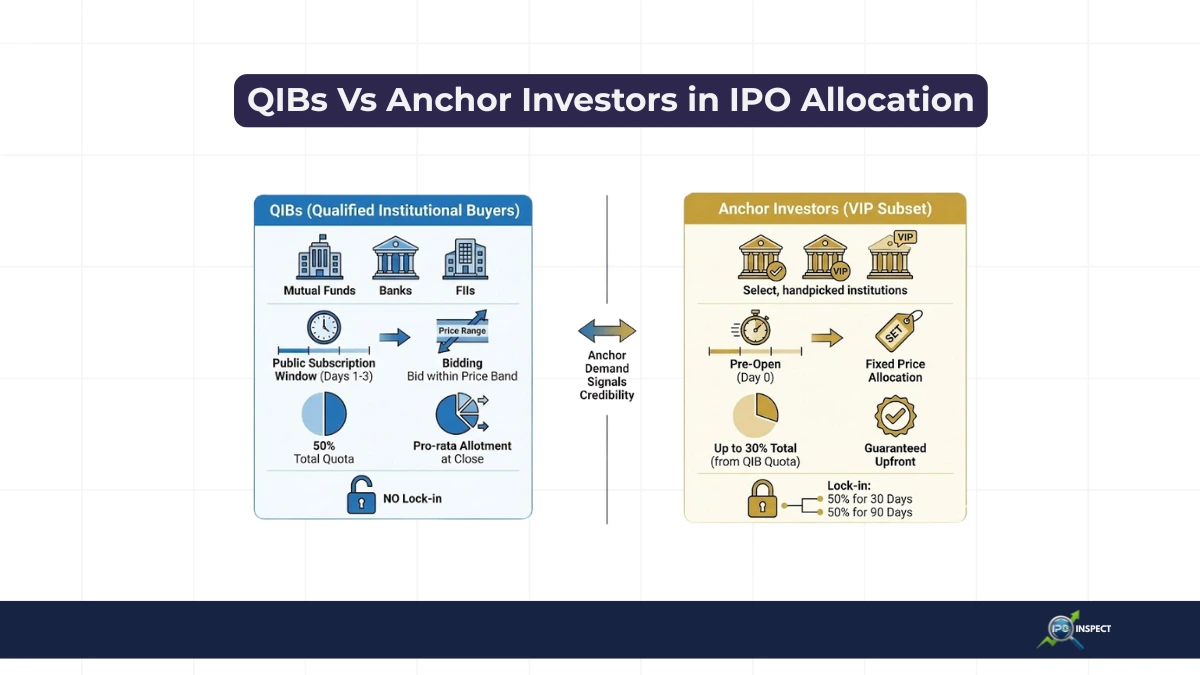
- Partial allotment can happen in some categories, while institutional categories get pro-rata allotments.
Conclusion: Not getting IPO allotment is often due to oversubscription, application errors, bid price issues, or payment delays. By understanding these factors and following best practices, investors can improve their chances of successful allotment in present live and upcoming IPOs.