What is Pre-IPO Investing?
Pre-IPO investing involves buying shares of privately held companies before they officially list on a public exchange through an IPO or even pursue future FPO offerings, which are subsequent share issues by already listed firms.
This early access can enable investors to purchase shares at discounted rates, offering substantial upside if the company performs well after listing, and some investors have earned notable returns in best performing IPOs in India, but risks include limited liquidity, uncertain valuations, and longer lock-in periods after investment.
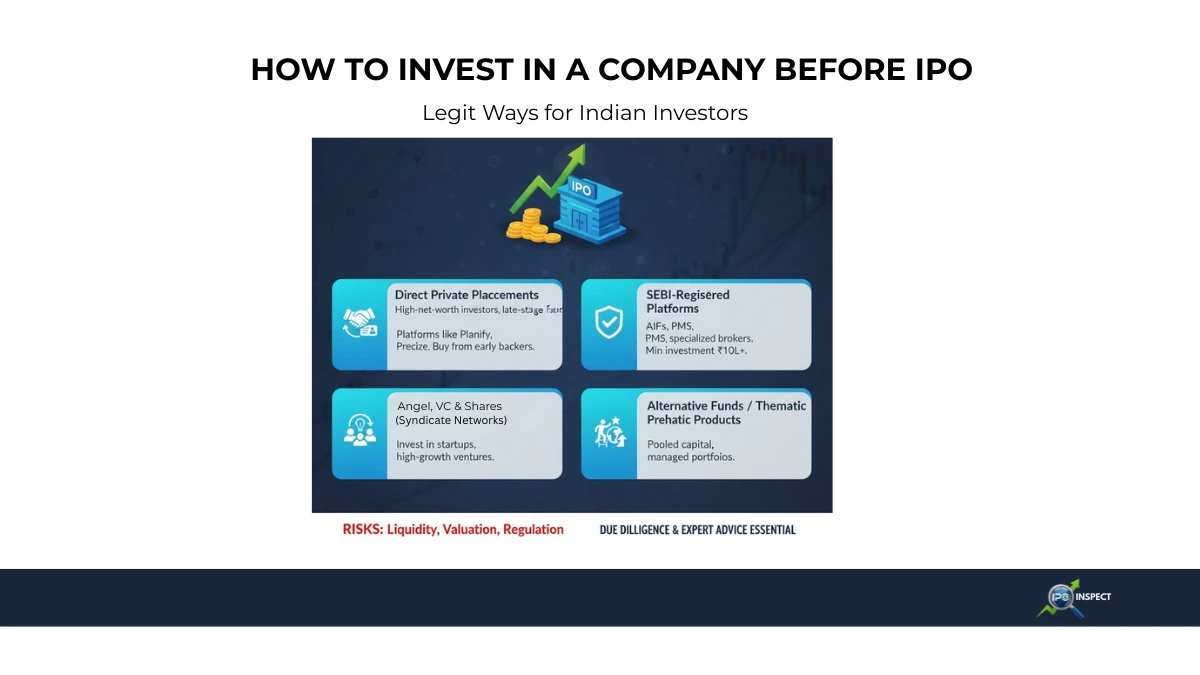
Common Pre-IPO Investment Methods
1. Direct Private Placements
Accredited, high-net-worth investors can be invited to invest directly as part of late-stage private funding rounds often through personal networks, bankers, or company insiders.
These transactions are formal and require larger capital commitments; expect a substantial holding period and strict terms.
2. Unlisted Shares in the Secondary Market
Platforms like Planify, Precize, and others connect buyers and sellers of pre-IPO shares.
Investors acquire stock from existing employees, founders, or early backers before public listing, before public listing, with pricing often reflecting current grey market premium trends.
Minimum ticket sizes and KYC are required, deals are governed by SEBI-unlisted securities rules.
3. Angel, Venture Capital & Syndicate Networks
Joining investor groups, angel syndicates, or VC funds allows individuals to invest in startups or high-growth companies years before IPO.
This route requires a long-term mindset and a greater risk appetite for early-stage ventures. Those joining syndicate rounds or platforms should understand what constitutes an IPO bid to navigate both primary and secondary offers.
4. SEBI-Registered Investment Platforms
Some online portals, registered as AIFs (Alternative Investment Funds), PMS (Portfolio Management Services), or through specialized brokers, offer curated pre-IPO opportunities. Eligibility and minimum investment often ₹10 lakh to ₹1 crore apply for retail investors and HNIs.
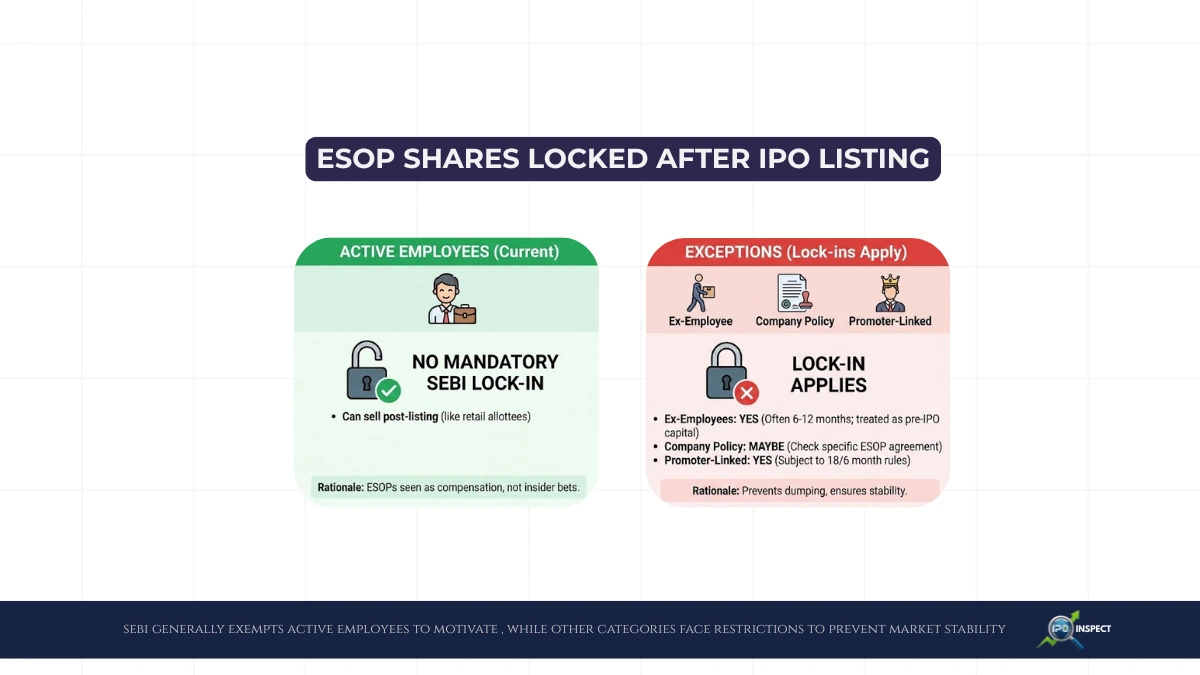
5. Employee Stock Option Plans (ESOPs)
Employees of pre-IPO companies sometimes receive shares at discounted rates through ESOPs, much like the employee category in IPO applications for public listings.
If you’re working for a growth-stage firm, participating in its ESOP can secure pre-IPO equity well before public trading.
6. Alternative Funds and Thematic Products
Some asset managers and funds pool capital from multiple investors to target pre-IPO equity.
These instruments usually require higher minimums and come with professional management, making them suitable for larger portfolios.
Key Risks and Eligibility for Investing before IPO in India
- Liquidity is constrained until IPO occurs and the final share allotment process is completed.
- Share valuation is less transparent; do thorough research.
- Regulatory changes may affect pre-IPO market access (as seen in recent SEBI moves limiting mutual fund pre-IPO investments).
Always vet platforms, confirm compliance, and consult expert advisors before committing capital to pre-IPO shares.
Conclusion: To invest in a company before IPO, explore pre-IPO platforms, private placements, VC / Angel networks, and eligible investment funds, weighing potential rewards against risks and due diligence needs. Investing in a company before IPO can offer superior returns, provided the investor navigates the regulations, lock-in, and market volatility with care.