An FPO, or Follow-on Public Offer, is a process wherein a company already listed on a stock exchange issues additional shares to public investors to raise more capital.
This is distinct from an IPO (Initial Public Offer), which is the first time a company goes public. FPOs play a vital role for companies seeking expansion, debt reduction, or strategic restructuring after their initial listing.

What is FPO?
- FPO refers to a subsequent public offering of shares by a company that is already listed on an exchange.
- It allows the company to tap the capital markets again beyond its IPO, letting retail or institutional investors purchase newly issued or promoter-held shares.
- FPOs are subject to regulations from bodies like SEBI in India to ensure fairness and transparency.
Types of FPO
1. Dilutive FPO
- The company issues new shares, increasing the total shares outstanding.
- This dilutes existing shareholdings but raises fresh capital for the company.
- Used mainly for expansion, acquisitions, or debt repayment.
2. Non-dilutive FPO
- Existing major shareholders, typically promoters, sell their shares to the public.
- No change in the total shares outstanding, but ownership changes hands.
- The funds raised go to the selling shareholders, not the company. This is often structured as Offer For Sale (OFS) in India.
FPO vs IPO: The Differences
| Feature | IPO | FPO |
|---|---|---|
| Company Status | Unlisted | Already listed |
| Purpose | First capital raise | Additional capital or OFS |
| Investor Risk | Higher (unknown track) | Lower (track record exists) |
| Pricing | Fixed or variable range for IPO (often influenced by grey market premium trends) | Market-driven, sometimes at discount to market price |
| Transparency | Limited | High (track record, disclosure) |
Application Process for FPO
- Companies announce FPO dates and price bands.
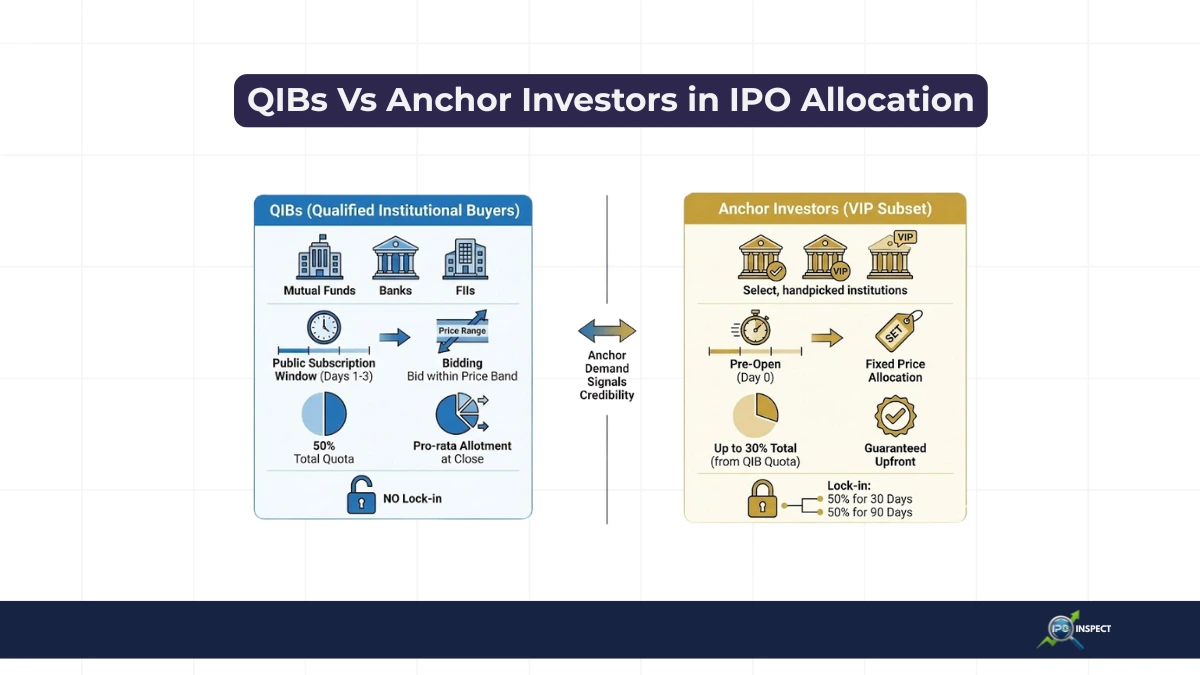
- Investors may apply via the ASBA application method, through brokers, or banks during the FPO window, following similar steps to the IPO bid process.
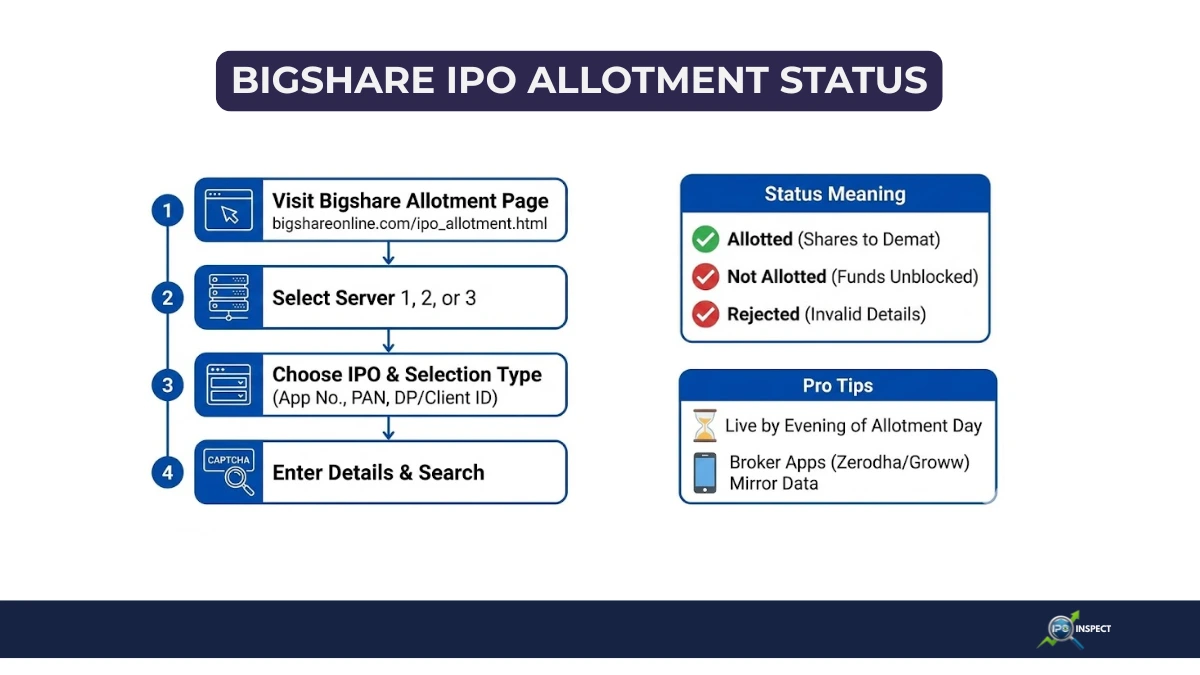
- The share allotment process in public offers determines how shares are credited to demat accounts, and any excess funds are refunded.
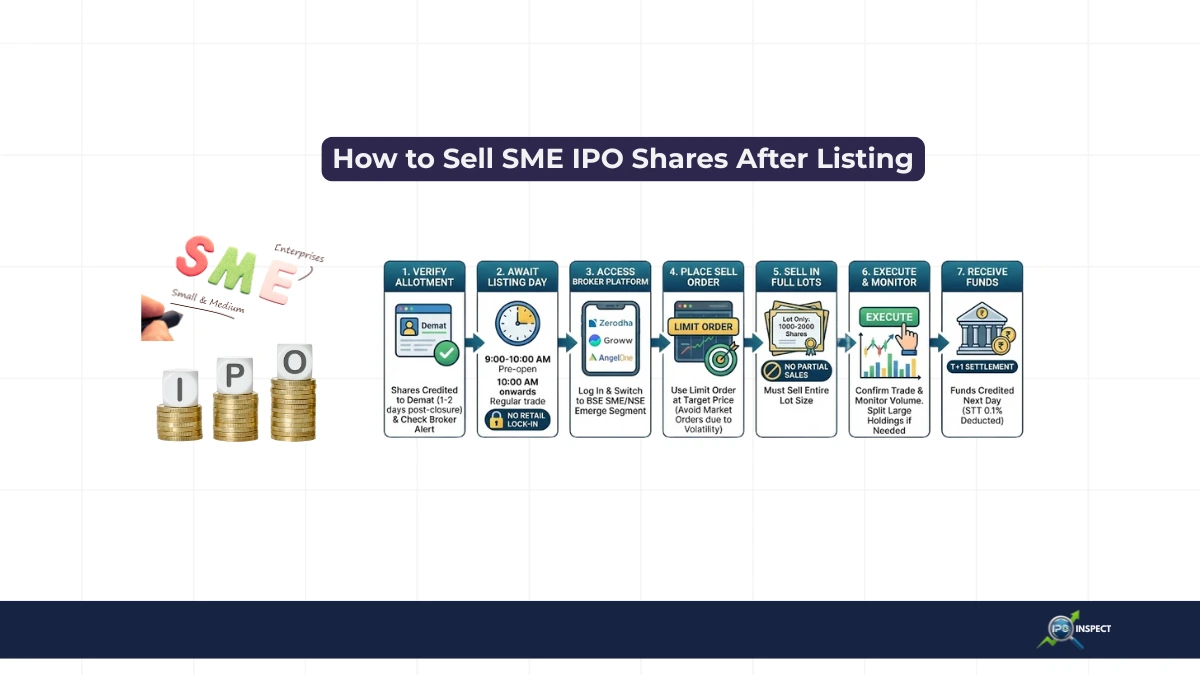
- FPO shares get listed and traded like other equity shares, if you want to calculate profit potential, explore our guide to listing gain calculation.
Tax Implications for FPO Shares
- Short-term capital gains: 15% tax rate if sold within 1 year.
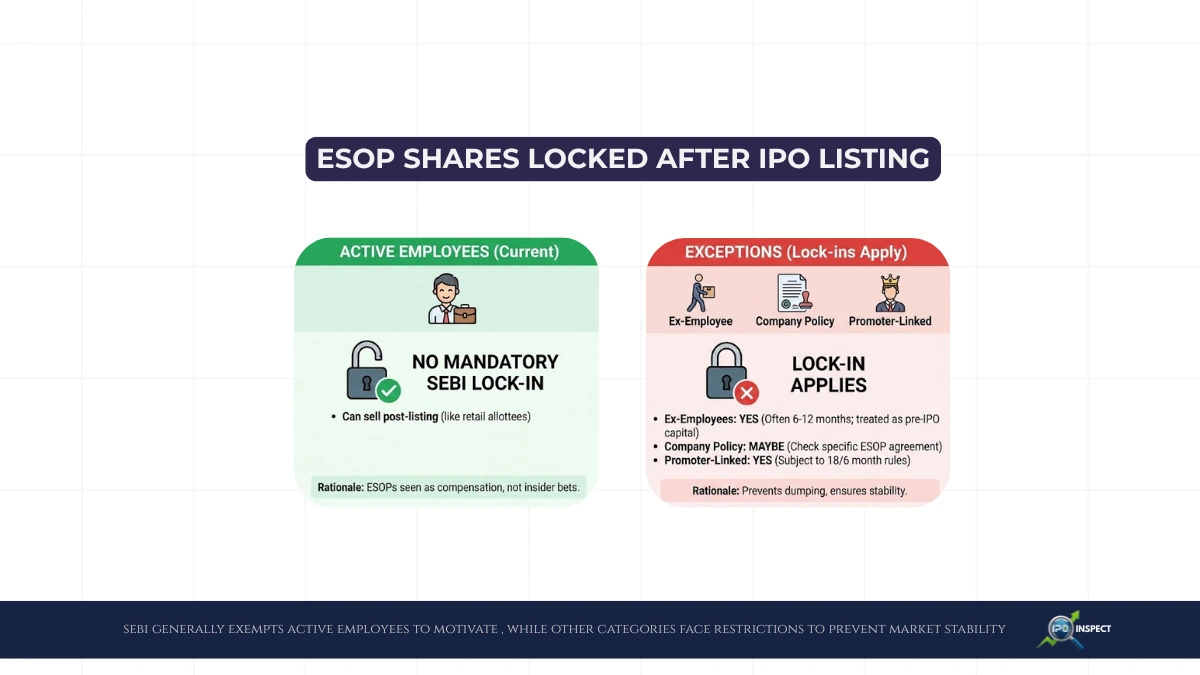
- Long-term capital gains: 10% tax rate above ₹1 lakh profit if held for over 1 year (same as regular equity). To maximize tax benefits and understand holding duration, review lock-in rules for IPO and FPO shares.
Real-World Examples for FPO
Recent FPOs in India have helped listed companies like Paytm and major state-owned firms, see best performing IPOs in India for comparison, access new capital, fund expansion, and rebalance promoter holdings.
Conclusion: An FPO or Follow-on Public Offer allows listed companies to issue more shares after their IPO. Dilutive FPOs raise money for the company, while non-dilutive FPOs shift ownership structure. FPOs generally carry lower risk for investors when compared with IPOs, providing additional investment opportunities and liquidity in the market.